Category: Treat Your Own Trigger Points
Why Do I Have a Sore Muscle in My Shoulder Blade? Common Causes & Relief Tips
Shoulder soreness is something many of us brush off until it becomes a problem. Whether it’s a dull ache after a long day at work or a sharp pinch when reaching overhead, a sore muscle in the shoulder blade can point to deeper issues that need attention. At Cohen Trigger Point Therapy, we see this all the time, and the good news is that with the right approach, relief is within reach.
What is Shoulder Pain
Shoulder pain is a common problem that can disrupt anyone’s daily routine, whether you’re an athlete, an office worker, or a busy parent. The shoulder blade or scapula is a frequent site of discomfort and pain, in this area can make even simple tasks feel challenging. From muscle strain caused by overuse to poor posture developed over time, there are many reasons why you might experience shoulder blade pain. Understanding the root causes and treatment options is the first step to finding relief. In this guide, we’ll break down the most common causes of shoulder blade pain, what to watch for, and how to relieve shoulder blade pain, so you can get back to moving comfortably and confidently.
What Causes a Sore Muscle in the Shoulder Blade?
A sore muscle in the shoulder blade can develop for several reasons and pinpointing the exact cause is key to effective pain relief. Muscle strain is one of the most common culprits, often from lifting, reaching or sudden movements that overstretch the muscles that support the shoulder joint. Overuse, such as repetitive lifting or frequent overhead activities can also lead to muscle fatigue and soreness in the shoulder blade area. Poor posture—like slouching at a desk or hunching over a phone—puts extra stress on the muscles around the shoulder blade making them more prone to tightness and discomfort. Sometimes more complex issues like a rotator cuff tear or frozen shoulder can cause persistent pain and limited range of motion. Pain can also be referred from other parts of the body, such as the neck or even internal organs, so it’s important to consider all possibilities. Identifying the underlying cause of your shoulder blade pain is key to choosing the right treatment and finding lasting relief.
What Causes a Sore Muscle in the Shoulder Blade?
Shoulder Anatomy: The Basics
The shoulder is one of the most mobile and complex joints in the body making it both powerful and prone to discomfort. At its core the shoulder joint—known as the glenohumeral joint—is a ball and socket joint where the upper arm bone (humerus) fits into a shallow socket in the shoulder blade (scapula). The shoulder blade itself is a flat, triangular bone that provides a stable base for arm movement and supports the entire shoulder structure. Along with the collarbone (clavicle) these bones create a framework that allows for an impressive range of motion from reaching overhead to rotating the arm. The acromioclavicular joint which connects the clavicle to the scapula plays a crucial role in shoulder movement and stability; issues such as arthritis or injury in this joint can cause shoulder and shoulder blade pain and may require specific diagnosis and treatment. The surrounding muscles, tendons and ligaments work together to stabilize the joint and facilitate smooth movement. When any part of this system is strained—whether from poor posture, muscle overuse or a sudden muscle strain—it can cause shoulder blade pain or discomfort in the shoulder joint. Sometimes pain in the shoulder can even be referred pain from other areas, so it’s important to understand the underlying anatomy when seeking relief.
Poor Posture and Sedentary Habits
If you spend long hours at a desk or frequently look down at your phone, you’re not alone—and you’re likely putting strain on your shoulder muscles without realizing it. Poor posture, especially when prolonged, alters the alignment of your spine and shoulders, leading to muscle fatigue and soreness. Over time, this can result in nagging pain that persists and may not resolve with rest, highlighting the importance of addressing posture early. Trigger points often develop as the body tries to compensate for this imbalance.
Preventative Tip: At Cohen Trigger Point Therapy, we emphasize early posture correction and movement education to prevent long term dysfunction.
Overuse, Repetitive Motion or Muscle Strain
From athletes and weekend warriors to parents constantly lifting children overuse is a major cause of shoulder discomfort. Repetitive motion leads to tiny tears in the muscle fibers which can accumulate over time. These micro-injuries often lead to tightness, inflammation and—you guessed it—trigger points. Repetitive motion can also result in the formation of a muscle knot, a localized area of tight, tender muscle that causes pain and limits mobility
Expert Insight: Josh Cohen sees this in patients who ignore the early signs. Catching it early prevents deeper tissue damage and speeds recovery.
Sleeping in the Wrong Position
Do you wake up with shoulder pain? You may be sleeping in the wrong position. Sleeping on one side or using a pillow that doesn’t support your neck and shoulder alignment can compress muscles overnight and cause morning stiffness and soreness. A consistent pattern of poor sleep posture can irritate shoulder muscles and start a pain cycle. If not addressed this can get worse over time.
Pro Tip: Josh recommends trying different pillow heights and sleep positions for optimal shoulder alignment.
Stress and Muscle Tension
Stress doesn’t just affect your mood—it affects your body. Emotional stress often shows up physically as tight muscles, especially in the neck and shoulders. Over time, this chronic tension leads to sore muscles and the formation of trigger points. Stress can also cause a muscle spasm, which can contribute to shoulder pain.
Cohen Approach: Our holistic approach includes stress relief modalities that reduce both mental and physical tension.
Trigger Points and Myofascial Dysfunction
This is where we come in. Trigger points are tight, hypersensitive spots within the muscle tissue that can refer pain to other areas. In the shoulder they often radiate pain that’s hard to pinpoint. Myofascial dysfunction—a disruption in the muscle and fascia connection—amplifies this issue. Our targeted approach finds and releases these knots to restore mobility and relieve pain. Self massage techniques like using a foam roller or massage ball can also be done at home to manage trigger points.
Josh Cohen’s Take: “Trigger points are often silent until they’re not. Addressing them early is the key to long term relief.”
Heart Attack and Shoulder Pain: When Soreness Means Something Serious
While shoulder pain is often caused by muscle strain or poor posture it’s important to know when it means something more serious. In some cases pain in the shoulder—especially the left shoulder blade—can be a warning sign of a heart attack. This is because of referred pain where discomfort from the heart is felt in other areas like the shoulder, arm or upper back. If you have severe pain in your shoulder or left shoulder blade along with chest pain, shortness of breath or sudden difficulty breathing you need to get immediate medical attention. These symptoms may indicate acute coronary syndrome—a blockage of blood flow to the heart that requires urgent care. Don’t ignore warning signs—if your shoulder pain is accompanied by chest tightness, nausea or lightheadedness call emergency services now. Knowing the difference between regular shoulder pain and a heart attack can be life saving.
How to Relieve Shoulder Muscle Soreness and Shoulder Blade Pain
Apply Heat or Cold Strategically
Ice is best for reducing inflammation immediately after acute activity, heat is better for relaxing chronic tightness and improving blood flow. A warm compress, heating pad or hot shower can relax tension while a cold pack or other ice or heat source helps with swelling and fresh injuries.
Cohen Tip: If you’re not sure which to use we guide patients based on their specific condition and timeline.
Gentle Stretching and Mobility Exercises
Keep the shoulder joint mobile. Incorporate stretching exercises that gently open up the chest and shoulders like wall angels or doorway stretches. Regular stretching exercises are important for preventing muscle strain in the upper back and shoulder area. Strengthening core muscles can also support shoulder health by improving overall stability. For a more structured approach to recovery consider exercise therapy which involves working with a healthcare professional to develop a personalized regimen of physical activities and stretches. The goal is to loosen the surrounding musculature without pushing into pain. Mobility exercises maintain joint health and prevent recurrence.
Early Intervention Reminder: Movement is medicine—just make sure it’s the right kind, at the right time.
Massage and Trigger Point Therapy
Nothing beats skilled hands when it comes to releasing stubborn shoulder pain. At Cohen Trigger Point Therapy we use precise techniques to deactivate trigger points and improve circulation. Many patients notice a big difference in range of motion and pain relief within just a few visits. A physical therapist can also provide professional guidance for massage and rehabilitation techniques to ensure safe and effective recovery.
Real-World Example: One patient, a graphic designer, had full overhead mobility after just three visits using Josh’s customized myofascial release plan.
Improve Ergonomics and Daily Posture
Small changes can make a big difference. Adjust your workspace so your monitor is at eye level, your shoulders are relaxed and your back is supported. When driving or relaxing use lumbar and neck support to maintain alignment.
Preventative Focus: These posture changes are part of our long term prevention strategy at Cohen Trigger Point Therapy.
When to See a Physical Therapist
If you have sharp pain, numbness, significant loss of mobility or if you have pain that is persistent or severe don’t wait. Early treatment prevents chronic dysfunction and speeds up recovery. If you have ongoing symptoms or nerve compression occupational therapy may be recommended to help improve function and reduce discomfort. Cohen Trigger Point Therapy is designed for early intervention so you can address issues before they become chronic.
What to Expect During an Exam
If you see a healthcare provider for shoulder blade pain you can expect a thorough exam to determine the cause of your discomfort. Your doctor will start by asking you detailed questions about your symptoms including when the pain started, how bad it is and what activities make it better or worse. They’ll then assess your shoulder joint by checking your range of motion, muscle strength and reflexes. Specific tests like the shoulder blade squeeze help evaluate the function of the muscles and tendons around the shoulder blade. Your provider will also look for signs of referred pain such as tenderness or numbness in the arm or chest. If there’s any suspicion that your shoulder blade pain could be related to a heart condition additional tests like an ECG or chest X-ray may be ordered. In some cases you may be referred to a specialist for further evaluation. Be open and honest about your symptoms and medical history so your doctor can create the best treatment plan for your shoulder blade pain.
How Cohen Trigger Point Therapy Can Help
Josh Cohen’s approach to shoulder muscle pain is evidence based and intuitive. By finding the root cause—whether trigger points, posture issues or stress—we tailor your treatment to your body. Some therapies stimulate the central nervous system including the spinal cord to promote healing and pain relief. Our hands on therapy is supported by at home guidance so your progress continues between visits.
Brand Promise: At Cohen Trigger Point Therapy our goal is not just symptom relief but lasting change through holistic care.
Preventing Future Shoulder Pain
Taking steps to prevent shoulder pain before it starts can make a big difference in your daily comfort and long term health. Maintaining good posture throughout the day reduces unnecessary strain on the shoulder blade and surrounding muscles. Incorporating regular exercise into your routine—especially exercises that strengthen the upper back and shoulder muscles—can prevent muscle strain and chronic pain. Practicing good body mechanics such as lifting with your legs instead of your back and avoiding repetitive overhead activities also protects your shoulder joint from injury. Don’t forget to take frequent breaks to stretch and move especially if you sit or work at a computer for long periods. Self massage techniques like using a foam roller or massage ball can help relieve tension and improve circulation in the shoulder blade area. By making these habits part of your routine you can reduce your risk of developing shoulder blade pain and keep your shoulders strong and flexible.
Managing Chronic Shoulder Pain
If you have chronic shoulder pain a comprehensive approach is key to lasting pain relief and improved function. Medical treatments—like pain relief medications, targeted injections or even surgery—may be recommended depending on the underlying cause of your pain. Physical therapy is a cornerstone of shoulder pain management helping to restore range of motion, build strength and reduce inflammation through guided exercises and hands on techniques. Making lifestyle changes like maintaining a healthy weight, avoiding repetitive motions and good posture can also help manage chronic pain and prevent flare ups. Alternative therapies like acupuncture and massage may offer additional relief and support your overall well being. Work closely with a healthcare professional to develop a personalized treatment plan that addresses your specific needs and goals. With the right combination of therapies and self care you can relieve pain, regain mobility and live better.A shoulder muscle soreness may seem small but it’s often a sign from your body that something needs to change. Whether it’s posture, stress, overuse or trigger points early action makes all the difference. At Cohen Trigger Point Therapy we can help you move, feel and live better—before the pain takes over.
Book your first visit today.
Rehabilitation in Pittsburgh – Recover Stronger & Prevent Future Injuries
Personalized Rehabilitation for Lasting Recovery
At Cohen Trigger Point Therapy, we provide comprehensive rehabilitation services designed to help you recover from injuries, improve mobility, and prevent future pain. Whether you’re dealing with a sports injury, post-surgical recovery, or chronic pain, our customized rehab programs can help you regain strength and function.
What is Rehabilitation?
Rehabilitation is a targeted approach to restoring movement, function, and strength after an injury or medical condition. It includes therapeutic exercises, manual therapy, and movement retraining to promote healing and reduce pain. Our team at Cohen Trigger Point Therapy focuses on evidence-based rehabilitation techniques to help you recover faster and prevent recurring issues.
When appropriate, the doctors will devise exercise routines to help keep a patient healthy and free of pain. These routines can strengthen weakened areas that cause musculoskeletal problems and stretch tense muscles to promote postural balance. We believe that it is our job to get patients out of pain and to instruct them to be proactive in keeping themselves pain-free in settings outside of our office.
Conditions Rehabilitation Can Help With:
✅ Sports injuries (sprains, strains, tendonitis)
✅ Post-surgical recovery (joint replacements, ligament repairs)
✅ Chronic pain conditions (back pain, neck pain, arthritis)
✅ Work-related injuries & repetitive strain
✅ Balance & coordination issues
✅ Mobility limitations & muscle weakness
Take control of your recovery! Schedule a Rehabilitation Session today.
What to Expect from Our Rehabilitation Program
- Comprehensive Assessment – We evaluate your condition, movement patterns, and rehabilitation goals.
- Personalized Treatment Plan – Tailored exercises and therapies to restore strength and mobility.
- Hands-On Therapy – Includes trigger point therapy, myofascial release, and guided movements to improve flexibility and reduce stiffness.
- Progress Monitoring – We track your progress and adjust your plan to ensure optimal recovery.
- Injury Prevention Strategies – We teach you proper movement mechanics to avoid future injuries.
Why Choose Cohen Trigger Point Therapy for Rehabilitation?
Integrated Approach – We combine rehabilitation with Chiropractic Manipulation, Cold Laser Therapy, and Acupuncture for a holistic recovery plan.
Expert Care – Led by Josh Cohen, our team has extensive experience in rehabilitative therapies.
Personalized Attention – Every rehabilitation plan is customized to your specific needs.
Preventative Focus – We go beyond recovery to ensure long-term strength and resilience.
Complementary Services for Enhanced Recovery
Rehabilitation works best when combined with other effective treatments. Explore our complementary services:
- Cold Laser Therapy – Speeds up healing and reduces inflammation.
- Trigger Point Therapy – Relieves muscle knots and tension for better mobility.
- Nutrition Counseling – Supports recovery with an anti-inflammatory diet.
Success Stories from Our Patients
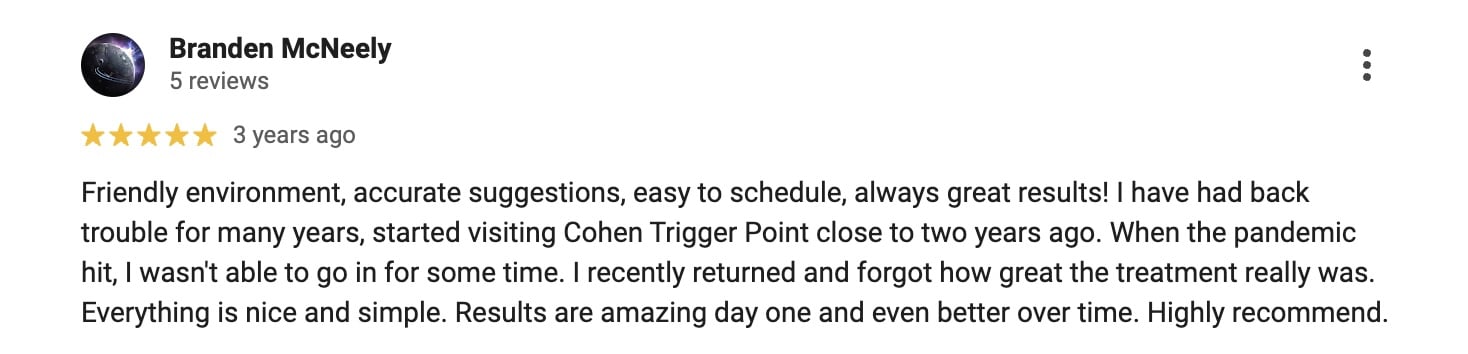
Get Started with Your Rehabilitation Today
Don’t let an injury or chronic pain hold you back. Our comprehensive rehabilitation services in Pittsburgh can help you move better, feel stronger, and prevent future injuries.
Take the first step toward recovery today! Book Your Appointment or call us at 412.681.4747 to get started.
Nutrition Counseling in Pittsburgh – Personalized Diet & Wellness Plans
Optimize Your Health with Expert Nutrition Counseling
At Cohen Trigger Point Therapy, Dr. Joshua Cohen provides personalized nutrition counseling to help patients achieve optimal health through strategic diet and lifestyle modifications. Whether you’re looking to reduce pain, improve energy levels, or manage inflammation, our evidence-based approach can help you make informed dietary choices for long-term wellness.
What is Nutrition Counseling?
Nutrition counseling is a science-based approach to diet and lifestyle changes that support pain reduction, increased activity levels, and improved overall health. Dr. Cohen carefully evaluates each patient’s diet, habits, and health concerns, then develops a customized nutrition plan to achieve their specific wellness goals.
Sorting through today’s overwhelming dietary information and misinformation can be challenging. Our expert guidance helps patients make the best choices for their unique needs, ensuring a diet that works for them—not against them.
Benefits of Nutrition Counseling:
✅ Reduces chronic pain & inflammation
✅ Supports joint & muscle health
✅ Boosts energy & overall vitality
✅ Aids in weight management
✅ Improves digestion & gut health
✅ Promotes longevity & disease prevention
✅ Enhances recovery from injuries & surgeries
Take control of your health through nutrition! Schedule a Nutrition Consultation today.
How Does Nutrition Counseling Work?
- Comprehensive Health Assessment – Dr. Cohen reviews your medical history, diet, and wellness goals.
- Personalized Nutrition Plan – A tailored dietary strategy is designed to fit your lifestyle and needs.
- Ongoing Guidance & Adjustments – We monitor progress and fine-tune your plan for optimal results.
- Long-Term Health Improvements – Sustainable habits lead to lasting benefits and improved quality of life.
Nutrition & Chronic Disease Management
Recent research has shown that nutrition is a natural and effective way to manage certain mild to moderate diseases, sometimes more effectively than traditional medicine. Our nutrition programs help patients manage conditions such as:
- Diabetes – Blood sugar stabilization through diet modifications.
- High Blood Pressure – Lowering BP naturally with heart-healthy nutrition.
- Thyroid Disorders – Supporting hormonal balance with targeted nutrients.
- Inflammatory Conditions – Reducing pain and stiffness through anti-inflammatory diets.
Why Choose Cohen Trigger Point Therapy for Nutrition Counseling?
Expert Guidance – Dr. Cohen provides science-backed nutrition recommendations tailored to your needs.
Comprehensive Approach – We integrate Chiropractic Care, Acupuncture, and Rehabilitation for total-body wellness.
Holistic & Natural Solutions – We focus on natural, food-based healing strategies rather than medication alone.
Personalized & Practical Plans – Every patient receives a customized approach based on their goals and lifestyle.
Complementary Services for Enhanced Results
For optimal health, nutrition counseling pairs well with:
- Trigger Point Therapy – Reduces muscle tension and enhances mobility.
- Cold Laser Therapy – Supports tissue repair and reduces inflammation.
- Rehabilitation Programs – Improves strength and movement efficiency.
Patient Success Stories

Get Started with Personalized Nutrition Counseling Today
If you’re looking to reduce pain, increase energy, or manage chronic conditions naturally, nutrition counseling with Dr. Cohen can help you achieve lasting wellness.
Take the first step toward better health today! Book a Consultation or call us at 412.681.4747 to get started.
Chiropractic Manipulation in Pittsburgh – Restore Mobility & Relieve Pain
Experience the Power of Chiropractic Adjustments
At Cohen Trigger Point Therapy, we specialize in Chiropractic Manipulation, also known as the Diversified Technique. This highly effective hands-on treatment helps restore joint mobility, relieve pain, and improve overall function. If you’re dealing with musculoskeletal pain or restricted movement, chiropractic adjustments can help you feel and move better.
What is Chiropractic Manipulation?
Chiropractic Manipulation is a targeted, hands-on technique used to treat joint restrictions and misalignments. This method involves a high-velocity, low-amplitude thrust to a joint that is not moving properly, helping to restore normal motion and reduce pain.
By realigning joints and improving mobility, chiropractic care can relieve tension, inflammation, and nerve irritation, promoting natural healing without drugs or surgery.
Conditions Chiropractic Manipulation Can Help With:
✅ Back & neck pain
✅ Headaches & migraines
✅ Sciatica & nerve pain
✅ Joint stiffness & mobility issues
✅ Sports injuries & postural imbalances
✅ Arthritis & degenerative joint conditions
✅ Repetitive strain injuries & muscle tension
Find lasting relief through expert chiropractic care! Schedule a Chiropractic Adjustment today.
How Does Chiropractic Manipulation Work?
- Comprehensive Evaluation – We assess joint function, range of motion, and pain points.
- Precise Adjustments – Using the Diversified Technique, we perform controlled thrusts to restricted joints.
- Immediate & Long-Term Relief – Many patients experience instant improvements in mobility and pain reduction.
- Ongoing Care & Prevention – We provide customized treatment plans to maintain joint health and prevent future issues.
Why Choose Cohen Trigger Point Therapy for Chiropractic Care?
Highly Skilled Adjustments – We use advanced Diversified Technique methods for precise and effective treatment.
Comprehensive Approach – We integrate Trigger Point Therapy, Acupuncture, and Rehabilitation for whole-body wellness.
Safe, Non-Invasive Pain Relief – No drugs, no surgery—just natural healing through expert chiropractic care.
Personalized Treatment Plans – We tailor adjustments to your specific needs and health goals.
Complementary Treatments for Enhanced Results
Chiropractic Manipulation works best when combined with other therapies, such as:
- Flexion Distraction Therapy – Gentle spinal decompression to relieve pressure.
- Cold Laser Therapy – Reduces inflammation and enhances tissue repair.
- Nutrition Counseling – Supports musculoskeletal health with proper nutrition.
Patient Success Stories

Get Started with Chiropractic Manipulation Today
If you’re struggling with joint pain, restricted movement, or chronic discomfort, Chiropractic Manipulation can help restore function and improve your quality of life.
Take the first step toward pain relief today! Book an Appointment or call us at 412.681.4747 to get started.
Flexion Distraction Therapy in Pittsburgh – Gentle Spinal Decompression & Pain Relief
Relieve Lower Back Pain with Flexion Distraction Therapy
At Cohen Trigger Point Therapy, we offer Flexion Distraction Therapy, also known as Traction Therapy, to provide gentle spinal decompression and targeted pain relief. This non-invasive chiropractic technique is designed to stretch and mobilize the lower back, reducing pressure on the discs, joints, and muscles.
What is Flexion Distraction Therapy?
Flexion Distraction is a safe and effective technique that utilizes a specialized chiropractic table equipped with a movable leg section. The table moves up and down and side to side, applying controlled traction to the lower back. This gentle motion stretches tight muscles, gaps spinal joints, and relieves pressure on bulging or herniated discs.
Conditions Flexion Distraction Therapy Can Help With:
✅ Bulging & herniated discs
✅ Sciatica & nerve pain
✅ Lower back & hip strain
✅ Degenerative disc disease
✅ Postural imbalances & stiffness
✅ Chronic lower back pain
✅ Sacroiliac (SI) joint dysfunction
Experience relief from lower back pain! Schedule a Flexion Distraction Session today.
How Does Flexion Distraction Therapy Work?
- Gentle Spinal Mobilization – The specialized table moves rhythmically, providing traction to targeted areas.
- Decompression of Spinal Discs – Pressure is relieved, allowing discs to rehydrate and heal.
- Muscle Relaxation & Pain Reduction – The movement helps release tight muscles and ligaments, improving flexibility.
- Improved Circulation & Healing – Increased blood flow promotes natural tissue repair and recovery.
Why Choose Cohen Trigger Point Therapy for Flexion Distraction?
State-of-the-Art Equipment – We utilize advanced chiropractic tables for precise traction control.
Comprehensive Pain Relief Approach – We integrate Chiropractic Manipulation, Acupuncture, and Rehabilitation for maximum effectiveness.
Gentle & Non-Invasive Treatment – No medications or surgery—just natural pain relief.
Personalized Care – Every session is customized to your specific condition and recovery goals.
Complementary Treatments for Enhanced Recovery
Flexion Distraction Therapy is most effective when combined with:
- Cold Laser Therapy – Accelerates healing and reduces inflammation.
- Trigger Point Therapy – Releases deep-seated muscle tension.
- Nutrition Counseling – Supports spinal health with anti-inflammatory dietary guidance.
Patient Success Stories
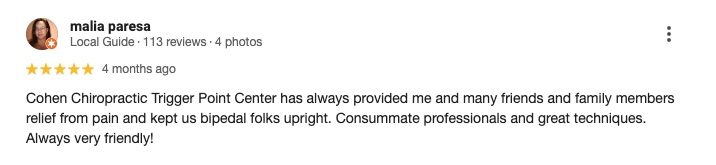
Get Started with Flexion Distraction Therapy Today
If you’re dealing with lower back pain, disc issues, or sciatica, Flexion Distraction Therapy offers a safe and effective solution.
Take the first step toward pain relief today! Book an Appointment or call us at 412.681.4747 to get started.
NimmoCareSM in Pittsburgh – Targeted Trigger Point Therapy for Pain Relief
Relieve Pain & Restore Function with NimmoCareSM
At Cohen Trigger Point Therapy, we specialize in NimmoCareSM, also known as the Receptor-Tonus Technique. This highly effective muscle therapy is commonly referred to as trigger point therapy or acupressure, as it focuses on releasing muscle knots to relieve pain and restore normal movement.
What is NimmoCareSM?
NimmoCareSM is a precise and targeted technique that involves applying manual pressure to tender trigger points in tight muscles. These trigger points are responsible for muscle spasms, pain, and restricted movement. By applying specific pressure, the nerve impulses that keep the muscle in spasm are temporarily blocked, allowing the muscle to relax and function properly.
This technique is effective in treating a wide range of musculoskeletal conditions from the feet to the jaw, making it an excellent solution for chronic pain, tension, and mobility issues.
Conditions NimmoCareSM Can Help With:
✅ Muscle spasms & tension
✅ Strains & sprains
✅ Herniated or bulging discs
✅ Repetitive motion disorders (e.g., carpal tunnel syndrome)
✅ Temporomandibular joint (TMJ) disorder
✅ Chronic back, neck, and shoulder pain
✅ Sports injuries & postural imbalances
Get lasting relief from chronic pain! Schedule a NimmoCareSM Session today.
How Does NimmoCareSM Work?
- Precise Pressure Application – Our experts apply targeted manual pressure to trigger points.
- Neuromuscular Reset – Pressure blocks excessive nerve impulses, allowing muscles to release tension.
- Pain Reduction & Mobility Restoration – As muscles relax, pain decreases, and normal biomechanical function returns.
- Customized Treatment Plan – Based on your condition, we create a personalized therapy approach to ensure long-term relief.
Why Choose Cohen Trigger Point Therapy for NimmoCareSM?
Highly Specialized Technique – Our expertise in NimmoCareSM ensures precise and effective treatment.
Comprehensive Approach – We integrate Chiropractic Manipulation, Acupuncture, and Rehabilitation for a holistic recovery plan.
Drug-Free, Non-Invasive Treatment – No medications or surgery required—just effective hands-on therapy.
Personalized Care – Every session is tailored to your unique condition and pain relief goals.
Complementary Treatments for Enhanced Recovery
For maximum pain relief and mobility restoration, NimmoCareSM pairs well with:
- Cold Laser Therapy – Speeds up healing and reduces inflammation.
- Trigger Point Therapy – Additional manual therapy for deeper muscle relaxation.
- Nutrition Counseling – Supports recovery with an anti-inflammatory diet.
Patient Success Stories
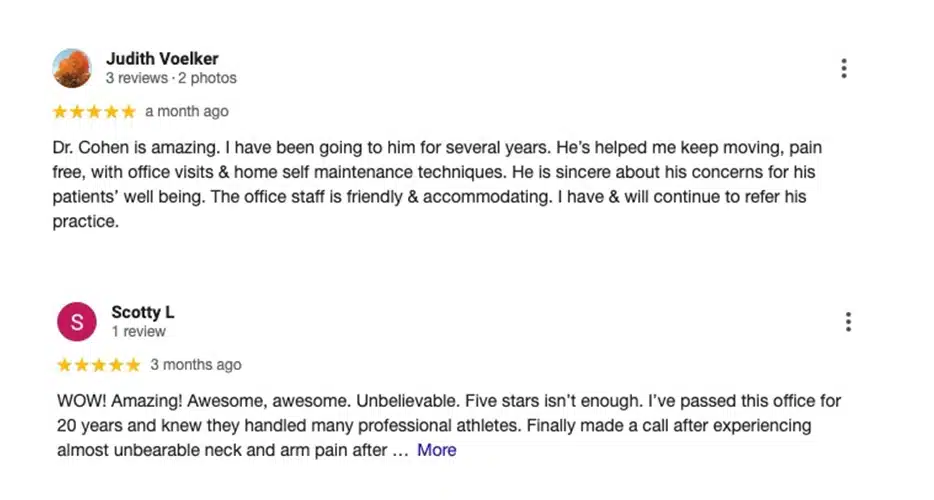
View All Google Business Profile Reviews
Experience the Power of NimmoCareSM Today
If you’re dealing with chronic pain, muscle tightness, or mobility issues, NimmoCareSM can provide the relief you need.
Start your journey to pain relief today! Book an Appointment or call us at 412.681.4747 to get started.
Rotator Cuff Trigger Points – How to Identify & Release Shoulder Pain
Rotator cuff trigger points are one of the most overlooked causes of chronic shoulder pain and dysfunction. These hyperirritable muscle knots can mimic more serious conditions like rotator cuff tears, tendinitis, or nerve impingement, making proper diagnosis and treatment crucial.
If you’re experiencing persistent shoulder pain, weakness, or a deep aching sensation that radiates down your arm, your rotator cuff muscles may have active trigger points. In this guide, we’ll break down what causes these trigger points, common symptoms, and the most effective treatment options to restore mobility and eliminate pain.
Understanding Rotator Cuff Trigger Points
What Are Trigger Points?
Trigger points are tight, knotted areas in the muscle that cause pain both locally and in referred areas. They are especially common in the rotator cuff, a group of four muscles responsible for stabilizing and moving the shoulder:
- Supraspinatus – Assists with arm elevation
- Infraspinatus – Helps with external rotation
- Teres Minor – Supports arm rotation and stabilization
- Subscapularis – Aids in internal rotation and arm movement
Why Are Rotator Cuff Trigger Points a Problem?
These muscles work constantly to support shoulder function, making them vulnerable to overuse, strain, and the development of trigger points. When left untreated, trigger points can restrict movement, weaken the shoulder, and cause chronic pain that mimics other serious injuries.
Common Symptoms of Rotator Cuff Trigger Points
How Do You Know If You Have Trigger Points?
- Deep, aching pain in the shoulder or upper back
- Pain that radiates down the arm, sometimes reaching the forearm or hand
- Sharp discomfort during overhead movements (lifting, reaching, throwing)
- Restricted range of motion, making simple tasks like putting on a jacket painful
- Weakness in the shoulder, making it difficult to lift or hold objects
- Pain that worsens at night, especially when sleeping on the affected side
Referred Pain Patterns
One of the key indicators of rotator cuff trigger points is referred pain. Depending on which muscle is affected, pain may be felt in different areas:
- Supraspinatus trigger points – Pain over the top of the shoulder, radiating down the arm
- Infraspinatus trigger points – Pain in the back of the shoulder, sometimes extending to the wrist
- Teres Minor trigger points – Discomfort on the outer shoulder, worsening with arm rotation
- Subscapularis trigger points – Pain in the front of the shoulder, possibly affecting the chest and wrist
What Causes Rotator Cuff Trigger Points?
1. Repetitive Shoulder Movements
- Overuse from throwing sports, swimming, weightlifting, or manual labor
- Frequent overhead reaching (painters, mechanics, athletes)
2. Poor Posture & Muscle Imbalances
- Slouching or rounded shoulders increase stress on the rotator cuff
- Weak scapular stabilizers contribute to muscle strain
3. Acute Trauma or Overuse Injury
- Falls, direct impact, or improper lifting can create trigger points
- Rotator cuff strains or microtears can lead to chronic pain if untreated
4. Stress & Tension
- Chronic stress can cause muscle guarding, keeping trigger points active
- Emotional tension contributes to shoulder stiffness and pain
How to Release Rotator Cuff Trigger Points
1. Cohen Trigger Point Therapy
At Cohen Trigger Point Therapy, we specialize in hands-on techniques that directly target trigger points, helping to restore muscle function, improve mobility, and eliminate referred pain.
2. Rotator Cuff Trigger Point Release Techniques
- Manual Trigger Point Therapy – Direct pressure applied to the knotted muscle to release tension
- Dry Needling – Targeting trigger points with fine needles to break up tight bands of muscle
- Cold Laser Therapy – Using low-level laser energy to reduce inflammation and stimulate healing
- Chiropractic Manipulation & Traction – Improving joint mobility to reduce compensatory muscle tension
3. Effective Stretches & Exercises
Strengthening and stretching the rotator cuff can help prevent future trigger points:
- Cross-Body Shoulder Stretch – Relieves tension in the supraspinatus and infraspinatus
- Doorway Chest Stretch – Helps open the chest and reduce forward shoulder posture
- External Rotation with Resistance Bands – Strengthens the infraspinatus and teres minor
- Scapular Retractions – Builds stability to prevent overuse of the rotator cuff
Home Remedies for Rotator Cuff Trigger Point Relief
1. Self-Massage & Foam Rolling
- Use a lacrosse ball or foam roller against a wall to apply gentle pressure
- Focus on the back of the shoulder, scapular area, and upper arm
2. Heat & Ice Therapy
- Apply heat before stretching to loosen tight muscles
- Use ice after activity to reduce inflammation
3. Postural Adjustments & Ergonomics
- Sit with a neutral spine to avoid unnecessary shoulder strain
- Adjust your workstation to keep your shoulders in proper alignment
When to Seek Professional Help
If your shoulder pain persists for more than two weeks, worsens with movement, or causes significant weakness, it’s time to seek expert care.
Signs You Need Treatment:
- Sharp, persistent pain that doesn’t improve with rest
- Clicking or grinding sensations in the shoulder joint
- Sudden loss of strength or mobility
- Pain that interferes with daily activities or sleep
Rotator cuff trigger points can be debilitating, but with the right diagnosis and treatment, you can restore pain-free movement. Understanding the causes, symptoms, and most effective treatment options is key to lasting relief.
If you’re struggling with shoulder pain and dysfunction, Cohen Trigger Point Therapy offers expert treatment solutions to help you eliminate trigger points, restore mobility, and get back to pain-free living. Book an appointment today and start your recovery!
Trigger Point Infraspinatus
The infraspinatus muscle plays a crucial role in shoulder stability and movement, but when trigger points develop, they can cause significant discomfort, stiffness, and referred pain. These tight, knotted areas within the muscle fibers can lead to restricted mobility, chronic shoulder pain, and even misdiagnosed nerve pain.
If you’re experiencing deep, aching pain in your shoulder or discomfort that radiates down your arm, you may be dealing with infraspinatus trigger points. This guide will walk you through everything you need to know about causes, symptoms, and the most effective treatment options, including NimmoCareSM, Cold Laser Therapy, Chiropractic Manipulation, and other advanced treatments offered at Cohen Trigger Point Therapy.
What Are Infraspinatus Trigger Points?
Trigger points are tight, hyperirritable knots in a muscle that cause pain, both locally and in referred areas. The infraspinatus muscle, which sits on the back of the shoulder blade, is particularly prone to these painful trigger points.
How Do They Develop?
- Overuse and repetitive motion (e.g., weightlifting, throwing sports, swimming)
- Poor posture and rounded shoulders, which place extra strain on the rotator cuff
- Lack of movement and muscle imbalances, leading to stiffness and dysfunction
- Trauma or sudden strain, such as lifting a heavy object improperly
- Chronic stress and muscle tension, which can create and sustain trigger points
Recognizing Infraspinatus Trigger Point Symptoms
Key Signs of Infraspinatus Trigger Points:
- Deep, aching pain in the back of the shoulder
- Pain that radiates to the front of the shoulder, upper arm, or even the hand
- Weakness in the shoulder, particularly with overhead or external rotation movements
- Stiffness and limited range of motion in the affected shoulder
- Pain that mimics rotator cuff tears or nerve impingement
If left untreated, these trigger points can lead to chronic shoulder dysfunction and increased risk of rotator cuff injuries.
Understanding Infraspinatus Referral Patterns
One of the most confusing aspects of infraspinatus trigger points is their pain referral pattern. The infraspinatus doesn’t just hurt where the trigger point is—it also sends pain to seemingly unrelated areas.
Where Can Infraspinatus Pain Refer?
- Front of the shoulder
- Outer part of the arm, extending toward the wrist
- Upper back and shoulder blade region
- Hand and fingers (in some cases, mimicking nerve pain)
This infraspinatus pain referral pattern is why misdiagnosis is common, as the symptoms can resemble rotator cuff tears, cervical nerve impingement, or bursitis.
What Causes Infraspinatus Trigger Points?
Understanding the root cause of infraspinatus trigger points is key to both treating and preventing them. Common culprits include:
1. Repetitive Strain & Overuse
- Frequent overhead movements (e.g., tennis, baseball, swimming)
- Repeated external rotation motions (e.g., weightlifting, rowing)
2. Poor Posture & Muscle Imbalances
- Rounded shoulders and forward head posture increase strain on the infraspinatus
- Weak opposing muscles, such as the lower traps and serratus anterior, contribute to imbalance
3. Trauma or Sudden Injury
- A fall or impact to the shoulder can create trigger points
- Sudden excessive force, like lifting something too heavy, can cause microtears in the muscle
4. Emotional Stress & Chronic Tension
- High stress levels lead to muscle guarding, sustaining trigger points over time
Advanced Treatments for Infraspinatus Trigger Points at Cohen Trigger Point Therapy
1. NimmoCareSM – Targeted Trigger Point Therapy
Cohen Trigger Point Therapy specializes in NimmoCareSM, also known as the Receptor-Tonus Technique, which applies precise manual pressure to infraspinatus trigger points. This technique works by blocking nerve impulses that keep the muscle in spasm, allowing it to relax and function properly. This method is highly effective for chronic musculoskeletal conditions, including infraspinatus pain.
2. Cold Laser Therapy – Healing from the Inside Out
Our NimmoCareSM Laser Protocol combines cold laser therapy with trigger point release techniques. Cold laser therapy:
- Reduces inflammation at the cellular level
- Promotes muscle healing and tissue repair
- Stimulates cellular growth to enhance recovery
This advanced therapy provides a non-invasive approach to healing chronic infraspinatus trigger points and relieving pain.
3. Chiropractic Manipulation & Traction
For patients experiencing restricted joint movement due to infraspinatus pain, we incorporate chiropractic adjustments and traction techniques:
- Flexion Distraction Traction – A specialized chiropractic table gently stretches the lower back, reducing disc compression and muscle tension.
- Diversified Chiropractic Manipulation – Helps restore proper joint motion, reducing compensatory strain on the infraspinatus.
4. Acupuncture for Chronic Shoulder Pain
At Cohen Trigger Point Therapy, our licensed acupuncturist, Dr. Zhiseng Yu, provides targeted acupuncture treatments for:
- Muscle tension relief
- Stress reduction
- Enhanced circulation for faster healing
5. Nutritional Counseling & Rehabilitation
Dr. Cohen offers nutrition counseling and customized rehabilitation exercises to support infraspinatus healing. This holistic approach includes:
- Anti-inflammatory diet recommendations to reduce muscle irritation
- Corrective exercises to strengthen weakened areas and prevent reinjury
When to Seek Professional Help
If your shoulder pain persists for more than two weeks, worsens with movement, or causes significant weakness, it’s time to seek professional care.
Signs You Need Expert Treatment:
- Pain that disrupts sleep or daily activities
- Weakness or difficulty with overhead movements
- Sharp, stabbing pain that doesn’t improve with rest
- A popping or grinding sensation in the shoulder
At Cohen Trigger Point Therapy, we create personalized treatment plans to ensure lasting relief from infraspinatus trigger points.
Trigger points in the infraspinatus muscle can be painful and limiting, but effective treatment is available. By understanding the causes, symptoms, and best treatment options, you can take control of your shoulder health and prevent future pain.
If you’re struggling with persistent shoulder discomfort, Cohen Trigger Point Therapy can help you eliminate trigger points, restore movement, and get back to pain-free living. Book an appointment today to start your recovery!
Red Light and Deep Tissue Therapy: Benefits, Uses, and Pain Relief Techniques
Red Light Therapy / Infrared Light Therapy / Cold Laser Therapy / Deep Tissue Therapy Laser
What Are They? What Do They Do?
Introduction to Red Light Therapy
Most of us have heard of red light therapy—it’s quite popular right now. You may have also heard of an infrared sauna, or even tried one. Perhaps you know someone with an infrared sauna or sleeping bag at home. You might even have an LED light or red light device that promotes healthy skin or reduces wrinkles. These are all common uses for red light therapy today.
Benefits of Red Light Therapy
Red light therapy has been around for many years and has proven to be highly effective. People with autoimmune disorders often turn to red light therapy because it helps reduce inflammation. It also promotes healing by speeding up the recovery process.
This therapy works well for conditions like sprains, strains, infections, and post-surgical healing. Red light therapy reduces inflammation in the injured area, making it less sensitive, reactive, and painful. Most people experience immediate pain relief and reduced inflammation after a session, and since it speeds up healing, the pain relief is longer-lasting.
Long-Term Pain Relief with Laser Therapy
Laser therapy is designed to reduce pain both immediately and over the long term. By reducing inflammation, it helps alleviate a variety of conditions. Red light therapy is particularly useful for healing infections (like shingles, cuts, and abrasions), as well as tendonitis, bursitis, stenosis, arthritis, and other joint issues.
Deep Tissue Laser Therapy for Stubborn Pain
Deep tissue therapy laser (also known as cold laser therapy) is especially effective for hard-to-treat pain conditions such as stenosis and arthritis. In the case of stenosis, red laser light reduces inflammation around the nerve roots where they exit the spine, allowing them to move more freely. Controlling inflammation is crucial to preventing these conditions from worsening and managing the associated pain.
Maintaining your range of motion is key to preventing conditions like stenosis and arthritis from progressing over time. In fact, if this treatment is done correctly, you could be as good—or even better—in 10 years compared to now, without needing more invasive pain management procedures.
Cellular Healing with Deep Tissue Laser
Deep tissue therapy laser works by healing muscles on a cellular level. It decreases cell membrane permeability, boosts mitochondrial activity, and increases energy production. The more energy a cell produces, the more active it becomes, leading to faster healing.
Combining Laser Therapy with Other Techniques
I find deep tissue therapy lasers particularly useful for stubborn pain, chronic injuries, and inflammation. When combined with Nimmo Trigger Point Therapy or Receptor Tone Technique, this approach can effectively treat persistent joint pain that is otherwise difficult to manage.
Have a Pain-Free Day!
Shoulder Tendonitis: Causes, Treatment, and Effective Pain Relief Techniques
What is Tendonitis?
A tendon is a tough, cord-like fiber that connects muscle to bone. Tendonitis happens when a tendon becomes inflamed. This often occurs because a muscle becomes tight and irritated, causing the tendon to be pulled while the muscle is contracted or in spasm. Tendonitis is always related to muscle irritation.
How Does Tendonitis Happen?
Tendonitis can result from a long-term muscle injury or irritation. If muscle pain is ignored, it can develop into tendonitis. This is true for different types of tendonitis, such as rotator cuff, shoulder, or bicep tendonitis.
How to Treat Shoulder Tendonitis
To heal, you need to relax, balance, and loosen the muscles in the shoulder, neck, back, and even the hips. This will help reduce pain. After that, it’s important to strengthen the muscles in ways that don’t cause pain. Strengthening stabilizes the muscles and joints.
There are many methods for doing this. One effective technique is the Nimmo/Receptor Tonus Technique. This trigger point therapy helps loosen, balance, and calm down muscle spasms that are pulling on the tendons and causing tendonitis. The healing process can be sped up significantly when combined with deep tissue red light laser therapy.
On days when you’re not receiving therapy, stretching and icing the area can also help with healing.
Starting Treatment
I usually suggest starting with a chiropractor who specializes in soft tissue work. They can help relieve pain, reduce inflammation, and address any muscle dysfunction.
When irritated muscles become tight, they start pulling on the tendon, irritating it further. Be cautious when working with healthcare professionals. If a physical therapist tells you the injured area is weak and only focuses on strengthening it, you might end up making things worse. It’s crucial to loosen the muscles and joints first. Strengthening a joint while it’s tight and painful can drive the dysfunction deeper into your system, making recovery harder.
Don’t Ignore Your Pain
The longer you ignore tendonitis, the longer it will stick around. Get your shoulder pain diagnosed and follow a treatment plan.
Best Stretch for Shoulder Tendonitis
For right shoulder tendonitis:
- Place your right hand behind you and try to touch the bottom of your left shoulder blade with your palm facing out.
- Don’t force it; get to a comfortable position where you feel a slight stretch.
- Keep your elbow in by your side, not sticking out.
- Lean back against a wall with your heels and head touching the wall, looking straight ahead.
You may feel pulling in the front of your shoulder or arm. This stretch helps loosen the neck, scapula, shoulder, and arm. If it’s not enough, you can do the same stretch while lying flat on your back.
Final Thoughts
Take care of your shoulder, and don’t let tendonitis linger. Address it early for a quicker recovery.
Have a pain-free day!
