NimmoCareSM in Pittsburgh – Targeted Trigger Point Therapy for Pain Relief
Relieve Pain & Restore Function with NimmoCareSM
At Cohen Trigger Point Therapy, we specialize in NimmoCareSM, also known as the Receptor-Tonus Technique. This highly effective muscle therapy is commonly referred to as trigger point therapy or acupressure, as it focuses on releasing muscle knots to relieve pain and restore normal movement.
What is NimmoCareSM?
NimmoCareSM is a precise and targeted technique that involves applying manual pressure to tender trigger points in tight muscles. These trigger points are responsible for muscle spasms, pain, and restricted movement. By applying specific pressure, the nerve impulses that keep the muscle in spasm are temporarily blocked, allowing the muscle to relax and function properly.
This technique is effective in treating a wide range of musculoskeletal conditions from the feet to the jaw, making it an excellent solution for chronic pain, tension, and mobility issues.
Conditions NimmoCareSM Can Help With:
✅ Muscle spasms & tension
✅ Strains & sprains
✅ Herniated or bulging discs
✅ Repetitive motion disorders (e.g., carpal tunnel syndrome)
✅ Temporomandibular joint (TMJ) disorder
✅ Chronic back, neck, and shoulder pain
✅ Sports injuries & postural imbalances
Get lasting relief from chronic pain! Schedule a NimmoCareSM Session today.
How Does NimmoCareSM Work?
- Precise Pressure Application – Our experts apply targeted manual pressure to trigger points.
- Neuromuscular Reset – Pressure blocks excessive nerve impulses, allowing muscles to release tension.
- Pain Reduction & Mobility Restoration – As muscles relax, pain decreases, and normal biomechanical function returns.
- Customized Treatment Plan – Based on your condition, we create a personalized therapy approach to ensure long-term relief.
Why Choose Cohen Trigger Point Therapy for NimmoCareSM?
Highly Specialized Technique – Our expertise in NimmoCareSM ensures precise and effective treatment.
Comprehensive Approach – We integrate Chiropractic Manipulation, Acupuncture, and Rehabilitation for a holistic recovery plan.
Drug-Free, Non-Invasive Treatment – No medications or surgery required—just effective hands-on therapy.
Personalized Care – Every session is tailored to your unique condition and pain relief goals.
Complementary Treatments for Enhanced Recovery
For maximum pain relief and mobility restoration, NimmoCareSM pairs well with:
- Cold Laser Therapy – Speeds up healing and reduces inflammation.
- Trigger Point Therapy – Additional manual therapy for deeper muscle relaxation.
- Nutrition Counseling – Supports recovery with an anti-inflammatory diet.
Patient Success Stories
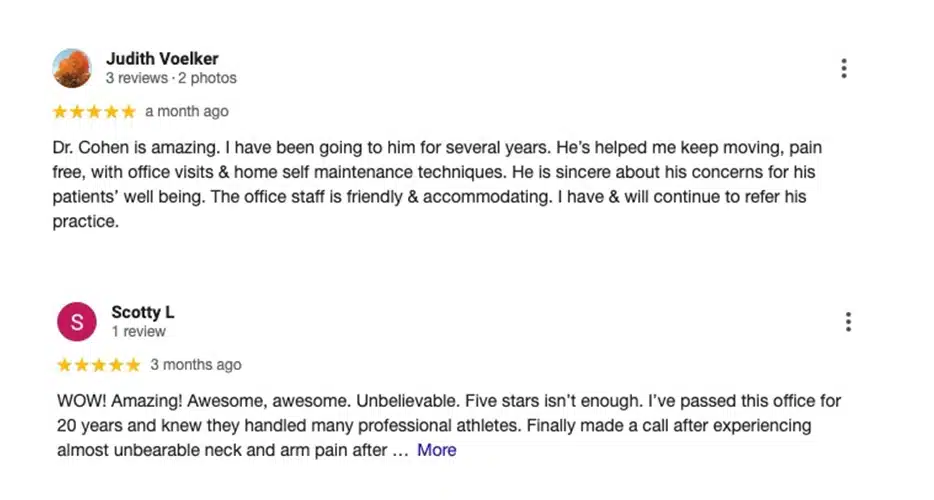
View All Google Business Profile Reviews
Experience the Power of NimmoCareSM Today
If you’re dealing with chronic pain, muscle tightness, or mobility issues, NimmoCareSM can provide the relief you need.
Start your journey to pain relief today! Book an Appointment or call us at 412.681.4747 to get started.
Rotator Cuff Trigger Points – How to Identify & Release Shoulder Pain
Rotator cuff trigger points are one of the most overlooked causes of chronic shoulder pain and dysfunction. These hyperirritable muscle knots can mimic more serious conditions like rotator cuff tears, tendinitis, or nerve impingement, making proper diagnosis and treatment crucial.
If you’re experiencing persistent shoulder pain, weakness, or a deep aching sensation that radiates down your arm, your rotator cuff muscles may have active trigger points. In this guide, we’ll break down what causes these trigger points, common symptoms, and the most effective treatment options to restore mobility and eliminate pain.
Understanding Rotator Cuff Trigger Points
What Are Trigger Points?
Trigger points are tight, knotted areas in the muscle that cause pain both locally and in referred areas. They are especially common in the rotator cuff, a group of four muscles responsible for stabilizing and moving the shoulder:
- Supraspinatus – Assists with arm elevation
- Infraspinatus – Helps with external rotation
- Teres Minor – Supports arm rotation and stabilization
- Subscapularis – Aids in internal rotation and arm movement
Why Are Rotator Cuff Trigger Points a Problem?
These muscles work constantly to support shoulder function, making them vulnerable to overuse, strain, and the development of trigger points. When left untreated, trigger points can restrict movement, weaken the shoulder, and cause chronic pain that mimics other serious injuries.
Common Symptoms of Rotator Cuff Trigger Points
How Do You Know If You Have Trigger Points?
- Deep, aching pain in the shoulder or upper back
- Pain that radiates down the arm, sometimes reaching the forearm or hand
- Sharp discomfort during overhead movements (lifting, reaching, throwing)
- Restricted range of motion, making simple tasks like putting on a jacket painful
- Weakness in the shoulder, making it difficult to lift or hold objects
- Pain that worsens at night, especially when sleeping on the affected side
Referred Pain Patterns
One of the key indicators of rotator cuff trigger points is referred pain. Depending on which muscle is affected, pain may be felt in different areas:
- Supraspinatus trigger points – Pain over the top of the shoulder, radiating down the arm
- Infraspinatus trigger points – Pain in the back of the shoulder, sometimes extending to the wrist
- Teres Minor trigger points – Discomfort on the outer shoulder, worsening with arm rotation
- Subscapularis trigger points – Pain in the front of the shoulder, possibly affecting the chest and wrist
What Causes Rotator Cuff Trigger Points?
1. Repetitive Shoulder Movements
- Overuse from throwing sports, swimming, weightlifting, or manual labor
- Frequent overhead reaching (painters, mechanics, athletes)
2. Poor Posture & Muscle Imbalances
- Slouching or rounded shoulders increase stress on the rotator cuff
- Weak scapular stabilizers contribute to muscle strain
3. Acute Trauma or Overuse Injury
- Falls, direct impact, or improper lifting can create trigger points
- Rotator cuff strains or microtears can lead to chronic pain if untreated
4. Stress & Tension
- Chronic stress can cause muscle guarding, keeping trigger points active
- Emotional tension contributes to shoulder stiffness and pain
How to Release Rotator Cuff Trigger Points
1. Cohen Trigger Point Therapy
At Cohen Trigger Point Therapy, we specialize in hands-on techniques that directly target trigger points, helping to restore muscle function, improve mobility, and eliminate referred pain.
2. Rotator Cuff Trigger Point Release Techniques
- Manual Trigger Point Therapy – Direct pressure applied to the knotted muscle to release tension
- Dry Needling – Targeting trigger points with fine needles to break up tight bands of muscle
- Cold Laser Therapy – Using low-level laser energy to reduce inflammation and stimulate healing
- Chiropractic Manipulation & Traction – Improving joint mobility to reduce compensatory muscle tension
3. Effective Stretches & Exercises
Strengthening and stretching the rotator cuff can help prevent future trigger points:
- Cross-Body Shoulder Stretch – Relieves tension in the supraspinatus and infraspinatus
- Doorway Chest Stretch – Helps open the chest and reduce forward shoulder posture
- External Rotation with Resistance Bands – Strengthens the infraspinatus and teres minor
- Scapular Retractions – Builds stability to prevent overuse of the rotator cuff
Home Remedies for Rotator Cuff Trigger Point Relief
1. Self-Massage & Foam Rolling
- Use a lacrosse ball or foam roller against a wall to apply gentle pressure
- Focus on the back of the shoulder, scapular area, and upper arm
2. Heat & Ice Therapy
- Apply heat before stretching to loosen tight muscles
- Use ice after activity to reduce inflammation
3. Postural Adjustments & Ergonomics
- Sit with a neutral spine to avoid unnecessary shoulder strain
- Adjust your workstation to keep your shoulders in proper alignment
When to Seek Professional Help
If your shoulder pain persists for more than two weeks, worsens with movement, or causes significant weakness, it’s time to seek expert care.
Signs You Need Treatment:
- Sharp, persistent pain that doesn’t improve with rest
- Clicking or grinding sensations in the shoulder joint
- Sudden loss of strength or mobility
- Pain that interferes with daily activities or sleep
Rotator cuff trigger points can be debilitating, but with the right diagnosis and treatment, you can restore pain-free movement. Understanding the causes, symptoms, and most effective treatment options is key to lasting relief.
If you’re struggling with shoulder pain and dysfunction, Cohen Trigger Point Therapy offers expert treatment solutions to help you eliminate trigger points, restore mobility, and get back to pain-free living. Book an appointment today and start your recovery!
Trigger Point Infraspinatus
The infraspinatus muscle plays a crucial role in shoulder stability and movement, but when trigger points develop, they can cause significant discomfort, stiffness, and referred pain. These tight, knotted areas within the muscle fibers can lead to restricted mobility, chronic shoulder pain, and even misdiagnosed nerve pain.
If you’re experiencing deep, aching pain in your shoulder or discomfort that radiates down your arm, you may be dealing with infraspinatus trigger points. This guide will walk you through everything you need to know about causes, symptoms, and the most effective treatment options, including NimmoCareSM, Cold Laser Therapy, Chiropractic Manipulation, and other advanced treatments offered at Cohen Trigger Point Therapy.
What Are Infraspinatus Trigger Points?
Trigger points are tight, hyperirritable knots in a muscle that cause pain, both locally and in referred areas. The infraspinatus muscle, which sits on the back of the shoulder blade, is particularly prone to these painful trigger points.
How Do They Develop?
- Overuse and repetitive motion (e.g., weightlifting, throwing sports, swimming)
- Poor posture and rounded shoulders, which place extra strain on the rotator cuff
- Lack of movement and muscle imbalances, leading to stiffness and dysfunction
- Trauma or sudden strain, such as lifting a heavy object improperly
- Chronic stress and muscle tension, which can create and sustain trigger points
Recognizing Infraspinatus Trigger Point Symptoms
Key Signs of Infraspinatus Trigger Points:
- Deep, aching pain in the back of the shoulder
- Pain that radiates to the front of the shoulder, upper arm, or even the hand
- Weakness in the shoulder, particularly with overhead or external rotation movements
- Stiffness and limited range of motion in the affected shoulder
- Pain that mimics rotator cuff tears or nerve impingement
If left untreated, these trigger points can lead to chronic shoulder dysfunction and increased risk of rotator cuff injuries.
Understanding Infraspinatus Referral Patterns
One of the most confusing aspects of infraspinatus trigger points is their pain referral pattern. The infraspinatus doesn’t just hurt where the trigger point is—it also sends pain to seemingly unrelated areas.
Where Can Infraspinatus Pain Refer?
- Front of the shoulder
- Outer part of the arm, extending toward the wrist
- Upper back and shoulder blade region
- Hand and fingers (in some cases, mimicking nerve pain)
This infraspinatus pain referral pattern is why misdiagnosis is common, as the symptoms can resemble rotator cuff tears, cervical nerve impingement, or bursitis.
What Causes Infraspinatus Trigger Points?
Understanding the root cause of infraspinatus trigger points is key to both treating and preventing them. Common culprits include:
1. Repetitive Strain & Overuse
- Frequent overhead movements (e.g., tennis, baseball, swimming)
- Repeated external rotation motions (e.g., weightlifting, rowing)
2. Poor Posture & Muscle Imbalances
- Rounded shoulders and forward head posture increase strain on the infraspinatus
- Weak opposing muscles, such as the lower traps and serratus anterior, contribute to imbalance
3. Trauma or Sudden Injury
- A fall or impact to the shoulder can create trigger points
- Sudden excessive force, like lifting something too heavy, can cause microtears in the muscle
4. Emotional Stress & Chronic Tension
- High stress levels lead to muscle guarding, sustaining trigger points over time
Advanced Treatments for Infraspinatus Trigger Points at Cohen Trigger Point Therapy
1. NimmoCareSM – Targeted Trigger Point Therapy
Cohen Trigger Point Therapy specializes in NimmoCareSM, also known as the Receptor-Tonus Technique, which applies precise manual pressure to infraspinatus trigger points. This technique works by blocking nerve impulses that keep the muscle in spasm, allowing it to relax and function properly. This method is highly effective for chronic musculoskeletal conditions, including infraspinatus pain.
2. Cold Laser Therapy – Healing from the Inside Out
Our NimmoCareSM Laser Protocol combines cold laser therapy with trigger point release techniques. Cold laser therapy:
- Reduces inflammation at the cellular level
- Promotes muscle healing and tissue repair
- Stimulates cellular growth to enhance recovery
This advanced therapy provides a non-invasive approach to healing chronic infraspinatus trigger points and relieving pain.
3. Chiropractic Manipulation & Traction
For patients experiencing restricted joint movement due to infraspinatus pain, we incorporate chiropractic adjustments and traction techniques:
- Flexion Distraction Traction – A specialized chiropractic table gently stretches the lower back, reducing disc compression and muscle tension.
- Diversified Chiropractic Manipulation – Helps restore proper joint motion, reducing compensatory strain on the infraspinatus.
4. Acupuncture for Chronic Shoulder Pain
At Cohen Trigger Point Therapy, our licensed acupuncturist, Dr. Zhiseng Yu, provides targeted acupuncture treatments for:
- Muscle tension relief
- Stress reduction
- Enhanced circulation for faster healing
5. Nutritional Counseling & Rehabilitation
Dr. Cohen offers nutrition counseling and customized rehabilitation exercises to support infraspinatus healing. This holistic approach includes:
- Anti-inflammatory diet recommendations to reduce muscle irritation
- Corrective exercises to strengthen weakened areas and prevent reinjury
When to Seek Professional Help
If your shoulder pain persists for more than two weeks, worsens with movement, or causes significant weakness, it’s time to seek professional care.
Signs You Need Expert Treatment:
- Pain that disrupts sleep or daily activities
- Weakness or difficulty with overhead movements
- Sharp, stabbing pain that doesn’t improve with rest
- A popping or grinding sensation in the shoulder
At Cohen Trigger Point Therapy, we create personalized treatment plans to ensure lasting relief from infraspinatus trigger points.
Trigger points in the infraspinatus muscle can be painful and limiting, but effective treatment is available. By understanding the causes, symptoms, and best treatment options, you can take control of your shoulder health and prevent future pain.
If you’re struggling with persistent shoulder discomfort, Cohen Trigger Point Therapy can help you eliminate trigger points, restore movement, and get back to pain-free living. Book an appointment today to start your recovery!
Pittsburgh Chiropractor Trusted by Athletes and Locals
Introduction to Chiropractic Care
Chiropractic care is a holistic approach to healthcare that focuses on diagnosing, treating, and preventing mechanical disorders of the musculoskeletal and nervous systems, particularly the spine. The goal is to restore optimal health and function to the body, allowing individuals to live a pain-free life. Chiropractors use spinal manipulation and other techniques to help the body heal naturally, without the need for surgery or medication. By addressing the root causes of pain and dysfunction, chiropractic care promotes overall health and well-being, helping you get back to the activities you love.
Why You Need a Pittsburgh Chiropractor Trusted by Pros and Locals Alike
In Pittsburgh, toughness isn’t just a personality trait—it’s a lifestyle. From the roar of Acrisure Stadium on Sundays to the gritty determination seen in local gyms, this city has always been about heart, hustle, and resilience. Pittsburghers don’t complain, they push through. But even the toughest bodies break down over time, and if you’re constantly grinding without proper recovery, you’re bound to hit a wall.
That’s where I come in.
I’m Dr. Josh Cohen, founder of Cohen Trigger Point Therapy. As a dedicated Pittsburgh chiropractor, I’ve helped everyone from professional athletes like Calvin Austin III of the Pittsburgh Steelers to busy professionals and weekend warriors find lasting relief from pain and dysfunction. My practice focuses on trigger point therapy, a proven hands-on method that eliminates deep muscular tension and restores true mobility—often when other treatments fail. As a licensed chiropractor in Pittsburgh, PA, I am dedicated to providing comprehensive care to my patients.
This isn’t cookie-cutter chiropractic care. It’s precision work rooted in sports science, holistic healing, and a deep understanding of how the body compensates under stress. Whether you’re catching touchdowns or carrying toddlers, you deserve the kind of care that keeps you moving at your best.
Pittsburgh’s Sports Legacy and the Need for Chronic Pain Recovery
Pittsburgh is a sports town through and through. The city lives and breathes black and gold. From the dynasty years of the Steelers to the die-hard loyalty of Penguins fans, the physical intensity that defines our sports culture carries over into the everyday lives of our residents. We’re a blue-collar city with a work ethic that doesn’t stop. That same spirit fuels our commitment to fitness, athletic performance, and personal growth.
But what often gets overlooked is the toll that kind of physical and mental intensity takes on the body. Whether you’re training for your next half-marathon, coaching youth sports, or sitting through back-to-back meetings at work, your body absorbs stress—and it stores that stress in your muscles, fascia, and nervous system. Whether you’re recovering from an auto accident or dealing with knee pain, chiropractic care can help alleviate your symptoms and improve your overall function.
Elite athletes understand this, which is why they prioritize recovery as much as they do training. Calvin Austin III, for example, is a high-performance athlete who knows the importance of taking care of his body. As a receiver for the Steelers, his speed and agility are non-negotiable. Any tightness, imbalance, or untreated trigger point could cost him valuable tenths of a second on the field. That’s why athletes like Calvin turn to chiropractic care—not just for injury treatment, but for injury prevention and performance optimization.
If it works for professional athletes, it can work for you too.
What Makes Cohen Trigger Point Therapy Different
There’s no shortage of chiropractors in Pittsburgh. But what sets Cohen Trigger Point Therapy apart is our focus on treating the root cause of pain—not just the symptoms.
Traditional chiropractic care often relies on spinal adjustments alone. And while that can be helpful, it often ignores what’s happening in the soft tissue. Most chronic pain—especially in the back, neck, shoulders, and hips—originates in tight, dysfunctional muscles that compress joints and restrict movement. These are known as trigger points. Chiropractic adjustments are a key component of our approach, promoting natural healing and pain relief.
Trigger points are hyper-irritable spots in muscle tissue that refer pain to other areas of the body. They’re often missed by imaging tests and overlooked by standard practitioners. But left untreated, they can wreak havoc on your posture, limit your performance, and contribute to persistent pain.
That’s where my method comes in.
As a Pittsburgh chiropractor specializing in trigger point therapy, I use a blend of manual pressure, neuromuscular re-education, and mobility work to release those hidden knots and restore full muscle function. Unlike treatments that offer short-term relief, this approach addresses the actual dysfunction so your results last.
Many of my patients come in after seeing multiple providers with little success. Once we start addressing the muscular system in a deeper way, they finally begin to see meaningful changes. Whether you’re a wide receiver like Calvin Austin or someone who just wants to wake up without back pain, this method works.
Chiropractic Adjustments and Techniques
Chiropractic adjustments are a cornerstone of chiropractic care. These adjustments involve spinal manipulation to restore proper alignment and function to the spine and other joints. Chiropractors use a variety of techniques, including manual adjustments, instrument-assisted adjustments, and soft tissue techniques, to help the body heal and function at its best. Regular adjustments can improve body function, reduce pain and inflammation, and promote overall health and well-being. By keeping your spine and joints in optimal condition, chiropractic care helps you stay active and pain-free.
Massage Therapy and Chiropractic Care
Massage therapy is a powerful complement to chiropractic care. It helps to relax tense muscles, improve circulation, and reduce pain and inflammation. Chiropractors often incorporate massage therapy into a comprehensive treatment plan to help patients achieve optimal health and function. This combination is especially beneficial for patients with chronic pain, sports injuries, and those recovering from auto accidents. By addressing both the muscular and skeletal systems, massage therapy and chiropractic care work together to provide holistic, effective relief.
You Don’t Have to Be a Pro Athlete to Deserve Elite Care
One of the biggest myths about chiropractic care—especially sports-oriented chiropractic care—is that it’s only for elite athletes. Nothing could be further from the truth.
At Cohen Trigger Point Therapy, I work with people from all walks of life:
- Desk workers dealing with tech neck and upper back pain
- Teachers, nurses, and retail workers on their feet all day
- Parents juggling jobs, errands, and physically demanding routines
- Runners, cyclists, and CrossFit athletes pushing their limits on weekends
- Retirees looking to stay active and mobile without medication
The common thread? These are people who want to feel better and move better—without relying on prescriptions, surgery, or generic advice.
What they find in my office is a personalized approach that treats their pain at its source. We take the time to understand your movement patterns, history of injury, posture, and lifestyle. Many patients receive personalized answers to their health concerns and see significant improvements in their condition. From there, we build a treatment strategy that focuses on long-term results, not quick fixes.
Just like Pittsburgh’s athletes, you deserve care that keeps you strong, mobile, and resilient.
Local Roots, Lasting Impact
Pittsburghers trust people who show up, put in the work, and stand behind their results. That’s how I’ve built my practice—one patient, one referral, one success story at a time. And in a city that values loyalty and authenticity, word-of-mouth means everything.
Many of my patients come in because a co-worker told them about their results. Or a teammate shared how their shoulder pain vanished. Or a family member saw them standing straighter and feeling better. That’s the power of real, lasting change—and it’s what keeps me motivated every day. An observational study found that patients receiving chiropractic care reported higher satisfaction levels compared to those receiving medical care.
Working with local athletes like Calvin Austin has only reinforced my belief that performance and recovery are universal needs. Whether you’re playing under the lights at Acrisure or chasing your kids around the park, your body deserves the same level of attention and respect.
My goal is to bring that pro-level care to everyone in Pittsburgh, from South Hills to the Strip District.
Conditions We Treat
Our chiropractic clinic treats a wide range of conditions, including:
- Neck pain and headaches
- Chronic pain and inflammation
- Back pain and sciatica
- Sports injuries and auto accidents
- Carpal tunnel and other repetitive strain injuries
- Migraines and other types of headaches
- Fibromyalgia and other chronic pain conditions
We use a variety of techniques, including spinal manipulation, massage therapy, and rehabilitation, to help patients achieve optimal health and function. Our team is dedicated to providing personalized care and attention to each patient, striving to help you achieve your health goals and live a pain-free life. Whether you’re dealing with a recent injury or chronic condition, we’re here to support your journey to better health.
When Should You See a Pittsburgh Chiropractor for Spinal Manipulation?
A common misconception is that you should only see a chiropractor when you’re in pain. But by the time pain shows up, your body has likely been compensating for weeks, months, or even years. That’s why early intervention is so critical.
Here are some signs that it might be time to visit a chiropractor:
- Frequent tension headaches or migraines
- Stiffness in your neck, shoulders, or lower back
- Tingling or numbness in your hands or feet
- Poor posture that’s starting to feel “normal”
- Limited range of motion during workouts or daily tasks
- Nagging pain that comes and goes without a clear cause
Even if you’re not in acute pain, chiropractic care can help you move more freely, recover faster, and stay active longer. At Cohen Trigger Point Therapy, we emphasize education just as much as treatment. I want my patients to understand their bodies better—so they can take control of their health and make smart decisions for years to come. We are in-network with most insurances, including UPMC Health Plan, making it easier for you to access affordable chiropractic care.
Ready to Work with the Pittsburgh Chiropractor Athletes Trust?
If you’re looking for a Pittsburgh chiropractor who takes a different approach—one that’s grounded in science, guided by hands-on experience, and trusted by elite athletes—then let’s work together.
At Cohen Trigger Point Therapy, I’m here to help you:
- Eliminate deep muscle pain caused by trigger points
- Improve flexibility, mobility, and posture
- Prevent future injuries through smart, customized care
- Feel better, move better, and live pain-free
Whether you’re training for your next big game or just want to wake up without discomfort, you deserve a plan that works—and a provider who listens.
Let’s build that plan together. Our friendly team looks forward to helping you achieve your health goals with personalized care.
Schedule your appointment today and experience the difference personalized chiropractic care can make. Trust your body to someone who understands what it means to be Built Like Pittsburgh.

Treat Infraspinatus Pain – Effective Therapies, Exercises & Prevention
Dealing with infraspinatus muscle pain can be frustrating, especially when it limits your daily activities and mobility. Whether it’s caused by muscle strain, tightness, or an injury, finding the right treatment is essential for recovery.
This guide will walk you through the most effective treatments, home remedies, and prevention strategies to keep your shoulders strong and pain-free. If left untreated, infraspinatus pain can worsen over time, leading to chronic discomfort and potential rotator cuff injuries. Let’s dive into the best ways to relieve pain and prevent future issues.
Understanding Infraspinatus Pain Treatment
If you’re wondering how to treat infraspinatus pain, it’s important to take a comprehensive approach. Recovery involves reducing inflammation, restoring mobility, strengthening the muscle, and addressing underlying causes.
1. Trigger Point Therapy for Lasting Relief
Cohen Trigger Point Therapy targets the muscle knots and adhesions that contribute to infraspinatus pain and tightness. This technique helps:
-
- Release muscle tension to restore normal function
- Improve blood flow for faster healing
- Reduce referred pain radiating from the infraspinatus
- Faster Healing trigger point therapy speeds up the healing process by reducing inflammation and restoring range of motion
2. Effective Stretching Techniques
Regular infraspinatus stretches can help improve flexibility and reduce tightness. Here are a few effective stretches:
- Sleeper Stretch – Lying on your side, gently press your arm downward to stretch the infraspinatus.
- Cross-Body Shoulder Stretch – Bring one arm across your chest and hold for 30 seconds.
- Child’s Pose with Shoulder Stretch – Extend your arms forward and sink your chest down to open up the shoulders.
3. Strengthening Exercises for the Infraspinatus
A weak infraspinatus muscle is more prone to injury. Strengthening it can help stabilize the shoulder joint and prevent pain recurrence:
- External Rotation with Resistance Bands – Attach a resistance band to a sturdy anchor and rotate your arm outward.
- Scapular Retractions – Squeeze your shoulder blades together to improve postural support.
- Farmer’s Carries – hold a hand weight down by your side, and take 10 steps.

Home Remedies for Infraspinatus Pain Relief
If you’re looking for how to relieve infraspinatus pain at home, try these proven methods:
1. Ice & Heat Therapy
- Apply ice (15-20 minutes) to reduce inflammation after activity.
- Use heat therapy to relax tight muscles before stretching.
2. Foam Rolling & Myofascial Release
- Use a lacrosse ball, tennis ball or foam roller to release muscle tension.
- Target the upper back and shoulder area to relieve pressure on the infraspinatus.
3. Massage Therapy for Shoulder Pain
A deep shoulder massage can improve circulation, break up adhesions, and promote healing.
Preventing Future Infraspinatus Injuries
To avoid dealing with chronic infraspinatus pain, it’s important to take preventative measures:
1. Maintain Proper Posture
- Keep your shoulders relaxed and down while sitting or working. Squeezing your shoulder blades together will bring them down your back and get them out of your ears.
- Avoid hunching forward, which places extra stress on the rotator cuff.
2. Optimize Your Sleeping Position
- Avoid sleeping on the affected shoulder.
- Use a supportive pillow to keep your neck and shoulders aligned.
3. Strengthen the Entire Rotator Cuff
- Work on balanced shoulder strength to prevent muscle imbalances. Strengthening your upper back and chest will stabilize your shoulders and neck.
- Incorporate shoulder mobility drills into your workouts.
When Surgery Might Be Needed
In rare cases, a severe infraspinatus muscle tear may require surgical intervention. Signs that you may need further medical attention include:
- Sharp, persistent pain that doesn’t improve with treatment
- Noticeable weakness or inability to lift your arm
Why Choose Cohen Trigger Point Therapy?
At Cohen Trigger Point Therapy, we specialize in natural, hands-on treatments for infraspinatus/ rotator cuff/ shoulder pain relief. Our approach focuses on:
- Eliminating trigger points to restore muscle function
- Customized rehabilitation plans for long-term recovery
- Manual therapy techniques to improve flexibility and strength
If you’re struggling with infraspinatus pain, it’s crucial to take early action. With the right combination of stretching, strengthening, massage therapy, and trigger point release, you can restore shoulder function and eliminate pain.
Ready to take the next step? Cohen Trigger Point Therapy can help you regain full mobility and live pain-free. Book a session today and start your recovery journey!
Looking for a Chiropractor Near Me? Here’s What You Need to Know
A common question I hear all the time is, “I’m looking for a chiropractor near me.” It makes sense—when you’re in pain, convenience matters. You want to find someone close by who can help you feel better fast.
But here’s the thing: just because a chiropractor is nearby doesn’t mean they’re the right one for you. The real question you should be asking is, “Where can I find a chiropractor who actually helps?”
Signs You Should See a Chiropractor
People tend to wait too long before seeking care, often thinking their pain will go away on its own. Sometimes it does, but other times it lingers, gets worse, or spreads to other areas. Here are some signs that it’s time to book an appointment:
- Chronic back or neck pain – If painkillers and stretching aren’t doing the trick, a chiropractor can address the root cause.
- Frequent headaches or migraines – Tension in your neck and spine might be contributing to your headaches.
- Limited range of motion – If turning your neck or bending over feels stiff and painful, chiropractic adjustments can help restore movement.
- Poor posture from sitting all day – If you work at a desk, chiropractic care can realign your spine and reduce posture-related pain.
- Recovery from an accident or injury – Chiropractors help heal soft tissue injuries and improve mobility after car accidents or sports injuries.
- Tingling or numbness in your arms or legs – This could be a sign of nerve compression that chiropractic care can help alleviate.
How to Find the Right Chiropractor
Not all chiropractors are the same. Some take a hands-on, muscle-focused approach, while others rely more on traditional spinal adjustments. Here’s what to consider when choosing a chiropractor:
- Check Their Credentials – Make sure they’re licensed and have experience treating conditions similar to yours.
- Read Reviews – Google, Yelp, and Healthgrades can give you insight into other patients’ experiences.
- Ask About Their Approach – Do they only adjust the spine, or do they work on muscles too? Techniques like trigger point therapy, spinal decompression, and myofascial release can make a huge difference.
- Look at Their Website – Does it provide useful information, or is it filled with gimmicks and sales pitches? A good chiropractor focuses on education, not just selling packages.
- Consider Location and Accessibility – A conveniently located clinic makes it easier to stick to your treatment plan.
- Trust Your Gut – Your instincts will tell you a lot. If something feels off during your first visit, keep looking.
What to Expect at Your First Visit
If you’ve never been to a chiropractor before, you might be wondering what the experience will be like. Here’s what typically happens:
- Initial Assessment – We’ll discuss your symptoms, medical history, and lifestyle to pinpoint what’s causing your pain.
- Physical Exam – This may include range-of-motion testing, muscle assessments, and orthopedic tests.
- Customized Treatment Plan – Based on our findings, we’ll outline a plan tailored to your specific needs.
- First Adjustment or Therapy – Many patients receive an initial treatment to start relieving discomfort right away.
- At-Home Recommendations – You’ll get advice on stretches, exercises, and posture adjustments to help your body heal.
Why Local Chiropractic Care Matters
Choosing a chiropractor near you has real benefits:
✔ Convenience – Shorter travel times mean you’re more likely to stick to your treatment plan.
✔ Personalized Attention – Smaller, independent clinics often provide better individualized care than large chain practices.
✔ Faster Appointments – You’ll likely have more flexible scheduling options.
✔ Ongoing Support – A local chiropractor gets to know you, your history, and your progress over time.
Why Patients Choose Cohen Chiropractic Trigger Point Center
If you’re in Pittsburgh looking for high-quality chiropractic care, you’re in the right place. Here’s what makes us stand out:
- Specialists in Trigger Point Therapy – We don’t just adjust the spine; we target muscle knots and soft tissue dysfunction for deeper, longer-lasting relief.
- Holistic Approach – We focus on long-term solutions, including posture correction and mobility work, not just quick fixes.
- Advanced Techniques – We use dry needling, myofascial release, spinal decompression, and deep tissue therapy to treat pain at its source.
- Personalized Care – Every patient gets a customized treatment plan designed for their specific needs.
- Convenient Location – Easy access for anyone searching for a “chiropractor near me” in Pittsburgh.
Common Questions About Chiropractic Care
Is chiropractic care safe?
Yes! When performed by a licensed professional, chiropractic care is a safe, non-invasive way to relieve pain and improve mobility.
How many sessions will I need?
That depends on your condition. Some issues resolve in a few visits, while chronic conditions may require ongoing care.
Does chiropractic treatment hurt?
Most patients feel relief after an adjustment. Some mild soreness (like post-workout stiffness) is normal but temporary.
Can chiropractic care help with more than just back pain?
Absolutely! We treat headaches, joint pain, sciatica, sports injuries, posture problems, and stress-related tension.
Ready to Feel Better? Let’s Get Started
If you’re tired of dealing with pain and searching for real relief, Cohen Chiropractic Trigger Point Center is here to help. Don’t wait for the pain to get worse—take control of your health today!
Visit us at: 4627 Fifth Ave, Pittsburgh, PA 15213
Call us at: (412) 681-4747
Book online: https://cohentriggerpoint.com/
Have a pain-free day!

Understanding Infraspinatus Muscle Pain: Causes, Symptoms & Treatment
If you’ve been dealing with nagging shoulder pain, especially in the back of your shoulder, your infraspinatus muscle might be the culprit. This key rotator cuff muscle plays a big role in how your shoulder moves and stabilizes. When it gets tight, strained, or injured, it can lead to persistent pain, stiffness, and even limited mobility.
Understanding the causes of infraspinatus muscle pain, recognizing the symptoms, and starting chiropractic treatment early can make all the difference. Ignoring the issue can lead to long-term discomfort, restricted movement, and even more serious rotator cuff injuries. Let’s break down what’s causing your infraspinatus muscle pain and how you can start feeling better.
What is the Infraspinatus Muscle Pain?
The infraspinatus is one of four muscles in the rotator cuff, located at the back of your shoulder blade. It plays a key role in:
- Rotating your arm outward (think of turning your palm away from your body)
- Stabilizing the shoulder joint when lifting, reaching, or doing overhead movements
- Preventing shoulder dislocations by keeping the joint secure
Since the infraspinatus is involved in so many everyday movements, it’s easy to overwork or strain it, especially if you’re active, lift weights, or have poor posture.
What Causes Infraspinatus Pain?
Pain in the infraspinatus muscle can happen for several reasons. Here are the most common ones:
1. Overuse & Repetitive Strain
- Lifting weights, especially overhead presses or bench presses
- Throwing sports like baseball, swimming, or tennis
- Sitting at a computer all day with poor posture
- Repetitive motions that keep the shoulders rounded forward
2. Muscle Tightness & Trigger Points
Tightness in the infraspinatus can lead to painful knots (trigger points), which can cause pain that radiates down the arm or into the upper back.
3. Infraspinatus Strain or Injury
Lifting something too heavy or making a sudden jerking motion can strain the muscle, leading to micro-tears and inflammation.
4. Rotator Cuff Injuries & Shoulder Impingement
- Rotator cuff tendonitis from repetitive overhead movements
- Infraspinatus tendon pain from wear and tear
- Muscle tears, which can cause weakness and sharp pain
5. Infraspinatus Pain While Breathing
If you feel pain in this muscle when you take a deep breath, it could be due to tight fascia, rib misalignment, or restricted movement in the upper back.
Symptoms of an Infraspinatus Injury
Recognizing the signs of an infraspinatus issue early can help prevent long-term pain. Common symptoms include:
- Dull, aching pain in the back of the shoulder
- Sharp pain when lifting or rotating the arm
- Tenderness or muscle knots in the infraspinatus
- Shoulder weakness, making it difficult to lift objects
- Pain radiating into the neck, upper back, or arm
- Tightness and reduced range of motion
- Pain while sleeping on the affected side
Early Treatment for Infraspinatus Pain
Catching the problem early can save you from chronic pain and bigger issues down the road. Here’s what you can do to start feeling better:
1. Stretching & Mobility Exercises
Keeping the infraspinatus loose and mobile is key. Try these:
- Cross-body shoulder stretch – Bring your arm across your chest and hold for 30 seconds.
- Wall angels – Stand against a wall and slowly raise and lower your arms.
- Doorway stretch – Place your hands on a doorway and lean forward to open the chest.
2. Ice & Heat Therapy
- Use ice packs (15-20 minutes) after activity to reduce inflammation.
- Apply heat therapy before stretching to help relax tight muscles.
3. Trigger Point & Myofascial Release
- Use a lacrosse ball or foam roller to release muscle knots in the infraspinatus.
- Cohen’s Trigger point therapy can help break up muscle tension and improve circulation.
4. Posture Correction & Ergonomic Adjustments
- Keep your shoulders in a neutral position while sitting or working.
- Adjust your workstation so your shoulders stay relaxed and supported.
- Avoid sleeping with your arm overhead, which can aggravate infraspinatus tightness.
5. Strengthening Exercises for Shoulder Stability
Strengthening the infraspinatus can prevent future injuries. Try:
- External rotation with resistance bands – Strengthens the infraspinatus and improves stability.
- Scapular retractions – Pulling your shoulder blades together strengthens supporting muscles.
- Isometric holds – Holding a light weight at 90-degree elbow flexion helps build endurance.
When to See a Chiropractor
If your infraspinatus pain isn’t improving with home care, it’s time to seek professional help. Signs that you need expert treatment include:
- Severe shoulder pain that interferes with daily activities
- Sharp, stabbing pain with overhead movements
- A popping or grinding sensation in the shoulder
- Weakness or inability to lift or rotate your arm
- Pain that worsens at night or while resting
How Cohen Chiropractic Trigger Point Center Can Help
At Cohen Chiropractic, we take a hands-on approach to treating infraspinatus pain. Our specialized techniques help release muscle tension, restore movement, and eliminate pain at its source. Our treatments include:
✔ Trigger point therapy – We break up painful muscle knots to restore function and reduce pain.
✔ Manual therapy – Hands-on techniques improve muscle flexibility and alignment.
✔ Personalized rehab exercises – We design a custom plan to strengthen and stabilize your shoulder.
Don’t Let Shoulder Pain Hold You Back
If you’re struggling with infraspinatus pain, don’t wait for it to get worse. With the right treatment, you can restore mobility, reduce pain, and get back to doing what you love.
Visit us at: https://cohentriggerpoint.com/
Call us at: (412) 681-4747
Book online: https://cohentriggerpoint.com/contact/
Have a pain-free day!

Walk In Chiropractic Services For Immediate Relief
Walk in Chiropractic Services
You can’t choose when an accident happens. That’s why they are called accidents.
Accidents usually happen at the worst possible time.
When we are rushing around, have no time, and getting stressed, that’s when we are prone to an accident.
We aren’t paying attention and are focused on something other than where we are, mistakes, and accidents, can happen.
When an accident happens, when you hurt yourself, it is important to get treatment as soon as possible.
This will prevent the injury from becoming long lasting.
I like the saying “the longer it sticks around, the longer it will stick around.”
If you can get treatment, like trigger point therapy (like Nimmo/ Receptor Tonus Technique), it can help to prevent the issue from becoming long lasting and chronic.
When you injure yourself, like when you slip and fall, you sustain soft tissue damage. This entails maybe some bruising, or maybe a muscle pull which is a sprain or strain, while other muscles will tighten up to catch yourself and can go into spasm.
When a muscle is pulled, or sprained or strained, it is torn on a microscopic level. It is not torn completely through, it becomes frayed, or partially torn. The rest of the muscle will reflexively tighten up to prevent further tearing- it is a self protective mechanism.
This tightening will cause the muscle to send increased neurological stimulation into the spinal cord and comes out the other side telling the muscles to contract more. This creates a new neurological pathway that once established, it is there for life. Thus making it easier for the muscle to keep falling back into that old established pattern of spasm and inflammation over and over again.
If you can get trigger point therapy (like Nimmo/ Receptor Tonus Technique) or something else similar to it, within 48 to 72 hours, you can prevent those neurological pathways from being established.
If you can get treatment within 48 to 72 hours after an injury, you can help to heal that injury quickly, and prevent it from becoming chronic.
That’s why businesses like mine, chiropractors who deal with injuries and the effects of accidents, need to be available for people who walk in and need immediate relief.
Yesterday a patient of mine who I haven’t seen in months, slipped and fell on newly fallen and slippery snow, right outside of my office. He walked in and my wife who happened to be working at the time, fit him right in.
I was able to do trigger point therapy (Nimmo/ Receptor Tonus Technique) and red light, deep tissue, therapy laser on him to help prevent those neurological pathways of pain and spasm from becoming established in the first place. The trigger point therapy will help to start the healing process much quicker than on his own.
The trigger point therapy will reduce inflammation and restore normal neurological functioning of the muscle, and reduce the muscle spasm.
If you have an accident and need help, don’t hesitate to come in.
You may have to wait a bit, but if you walk into my office, you’ll get seen.

Red Light and Deep Tissue Therapy: Benefits, Uses, and Pain Relief Techniques
Red Light Therapy / Infrared Light Therapy / Cold Laser Therapy / Deep Tissue Therapy Laser
What Are They? What Do They Do?
Introduction to Red Light Therapy
Most of us have heard of red light therapy—it’s quite popular right now. You may have also heard of an infrared sauna, or even tried one. Perhaps you know someone with an infrared sauna or sleeping bag at home. You might even have an LED light or red light device that promotes healthy skin or reduces wrinkles. These are all common uses for red light therapy today.
Benefits of Red Light Therapy
Red light therapy has been around for many years and has proven to be highly effective. People with autoimmune disorders often turn to red light therapy because it helps reduce inflammation. It also promotes healing by speeding up the recovery process.
This therapy works well for conditions like sprains, strains, infections, and post-surgical healing. Red light therapy reduces inflammation in the injured area, making it less sensitive, reactive, and painful. Most people experience immediate pain relief and reduced inflammation after a session, and since it speeds up healing, the pain relief is longer-lasting.
Long-Term Pain Relief with Laser Therapy
Laser therapy is designed to reduce pain both immediately and over the long term. By reducing inflammation, it helps alleviate a variety of conditions. Red light therapy is particularly useful for healing infections (like shingles, cuts, and abrasions), as well as tendonitis, bursitis, stenosis, arthritis, and other joint issues.
Deep Tissue Laser Therapy for Stubborn Pain
Deep tissue therapy laser (also known as cold laser therapy) is especially effective for hard-to-treat pain conditions such as stenosis and arthritis. In the case of stenosis, red laser light reduces inflammation around the nerve roots where they exit the spine, allowing them to move more freely. Controlling inflammation is crucial to preventing these conditions from worsening and managing the associated pain.
Maintaining your range of motion is key to preventing conditions like stenosis and arthritis from progressing over time. In fact, if this treatment is done correctly, you could be as good—or even better—in 10 years compared to now, without needing more invasive pain management procedures.
Cellular Healing with Deep Tissue Laser
Deep tissue therapy laser works by healing muscles on a cellular level. It decreases cell membrane permeability, boosts mitochondrial activity, and increases energy production. The more energy a cell produces, the more active it becomes, leading to faster healing.
Combining Laser Therapy with Other Techniques
I find deep tissue therapy lasers particularly useful for stubborn pain, chronic injuries, and inflammation. When combined with Nimmo Trigger Point Therapy or Receptor Tone Technique, this approach can effectively treat persistent joint pain that is otherwise difficult to manage.
Have a Pain-Free Day!
Shoulder Tendonitis: Causes, Treatment, and Effective Pain Relief Techniques
What is Tendonitis?
A tendon is a tough, cord-like fiber that connects muscle to bone. Tendonitis happens when a tendon becomes inflamed. This often occurs because a muscle becomes tight and irritated, causing the tendon to be pulled while the muscle is contracted or in spasm. Tendonitis is always related to muscle irritation.
How Does Tendonitis Happen?
Tendonitis can result from a long-term muscle injury or irritation. If muscle pain is ignored, it can develop into tendonitis. This is true for different types of tendonitis, such as rotator cuff, shoulder, or bicep tendonitis.
How to Treat Shoulder Tendonitis
To heal, you need to relax, balance, and loosen the muscles in the shoulder, neck, back, and even the hips. This will help reduce pain. After that, it’s important to strengthen the muscles in ways that don’t cause pain. Strengthening stabilizes the muscles and joints.
There are many methods for doing this. One effective technique is the Nimmo/Receptor Tonus Technique. This trigger point therapy helps loosen, balance, and calm down muscle spasms that are pulling on the tendons and causing tendonitis. The healing process can be sped up significantly when combined with deep tissue red light laser therapy.
On days when you’re not receiving therapy, stretching and icing the area can also help with healing.
Starting Treatment
I usually suggest starting with a chiropractor who specializes in soft tissue work. They can help relieve pain, reduce inflammation, and address any muscle dysfunction.
When irritated muscles become tight, they start pulling on the tendon, irritating it further. Be cautious when working with healthcare professionals. If a physical therapist tells you the injured area is weak and only focuses on strengthening it, you might end up making things worse. It’s crucial to loosen the muscles and joints first. Strengthening a joint while it’s tight and painful can drive the dysfunction deeper into your system, making recovery harder.
Don’t Ignore Your Pain
The longer you ignore tendonitis, the longer it will stick around. Get your shoulder pain diagnosed and follow a treatment plan.
Best Stretch for Shoulder Tendonitis
For right shoulder tendonitis:
- Place your right hand behind you and try to touch the bottom of your left shoulder blade with your palm facing out.
- Don’t force it; get to a comfortable position where you feel a slight stretch.
- Keep your elbow in by your side, not sticking out.
- Lean back against a wall with your heels and head touching the wall, looking straight ahead.
You may feel pulling in the front of your shoulder or arm. This stretch helps loosen the neck, scapula, shoulder, and arm. If it’s not enough, you can do the same stretch while lying flat on your back.
Final Thoughts
Take care of your shoulder, and don’t let tendonitis linger. Address it early for a quicker recovery.
Have a pain-free day!
