Red Light Therapy Benefits for Pain: How It Eases Chronic Pain & Boosts Healing
Red Light Therapy Benefits for Pain Relief from a Trusted Holistic Perspective
Chronic pain can be exhausting, unpredictable, and deeply frustrating. For many, it’s not just about discomfort — it’s about quality of life, productivity, sleep, and mental health. If you’ve tried everything from medication to stretching with minimal results, red light therapy may be the natural solution you’ve been looking for.
At Cohen Trigger Point Therapy, we’re passionate about using cutting-edge tools to enhance preventative care and support the body’s natural healing processes. Red light therapy is one of those tools. Safe, non-invasive, and research-backed, it works at the cellular level to reduce pain, improve tissue repair, and promote lasting relief.
Let’s break down how red light therapy works, why it’s effective, and how we use it to complement hands-on treatments like trigger point therapy here in our Pittsburgh clinic.
What Is Red Light Therapy?
Red light therapy — sometimes called low-level laser therapy (LLLT) or photobiomodulation — is a treatment that uses specific wavelengths of red and near-infrared light to penetrate deep into tissues. These wavelengths typically range between 630 to 850 nanometers, which are known to stimulate mitochondrial activity in your cells.
Unlike UV light, which can damage skin, red light is completely safe. It doesn’t burn, cut, or irritate. In fact, it’s FDA-cleared for certain pain conditions and widely used in clinical, athletic, and wellness settings around the world.
How Red Light Therapy Works on the Body
Here’s the science made simple: our cells contain mitochondria — tiny powerhouses that generate ATP (adenosine triphosphate), your body’s cellular energy source.
When red or near-infrared light penetrates tissues, it stimulates mitochondrial function, leading to:
- Increased ATP production
- Improved blood flow and oxygenation
- Reduced oxidative stress
- Accelerated cell regeneration
In the context of chronic pain, this means faster healing, less inflammation, and a better environment for tissue repair — all without drugs or downtime.
Red Light Therapy Benefits for Pain
Let’s focus on what matters most — results. Here are the top red light therapy benefits for pain that we see in our patients every week.
1. Reduces Inflammation
Red light therapy calms inflammation at the cellular level, making it especially helpful for joint pain, soft tissue injuries, and conditions like arthritis or tendinitis.
2. Relieves Muscle Tension
Light energy helps muscles relax by improving circulation and cellular metabolism. This reduces trigger point activity and muscle spasms — key contributors to chronic pain.
3. Promotes Nerve Repair
Studies show red light can help stimulate nerve regeneration, offering hope to those with neuropathic pain or injuries affecting nerve function.
4. Increases Range of Motion
By easing stiffness and supporting tissue healing, many patients report better flexibility and joint mobility after consistent use.
5. Speeds Post-Injury Recovery
Red light therapy enhances your body’s natural repair processes, making it ideal for athletic strains, surgical recovery, and repetitive stress injuries.
Common Pain Conditions Treated with Red Light Therapy
At Cohen Trigger Point Therapy, we’ve used red light therapy to help patients with:
- Lower back pain
- Neck and shoulder tension
- Arthritis (both osteoarthritis and rheumatoid)
- Tension headaches and TMJ dysfunction
- Chronic fatigue or fibromyalgia
- Sports and overuse injuries
These are often complex conditions with multiple contributing factors. Red light therapy offers a gentle but powerful intervention, particularly when paired with trigger point release and chiropractic care in Pittsburgh.
Devices for At-Home Use: Bringing Relief Home
Red light therapy isn’t just for clinics anymore—now, you can bring the benefits of this innovative treatment right into your own home. At-home red light therapy devices have surged in popularity, making it easier than ever to manage chronic pain, reduce inflammation, and treat a variety of skin conditions on your own schedule.
These devices use low level laser therapy (LLLT) or light emitting diodes (LEDs) to deliver targeted red light and near infrared light deep into your tissues. This light therapy works by increasing blood flow, which helps to relieve pain, reduce muscle spasms, and support the healing process in muscle tissue and joints. Many people also use these devices to promote hair growth and improve skin elasticity, making them a versatile addition to your wellness routine.
When choosing a red light therapy device for home use, it’s important to consider the wavelength of the light (typically between 630 and 850 nanometers), the power output, and the recommended treatment duration. Some devices are designed for specific uses—like handheld wands for spot treatment, larger panels for broader coverage, or masks for facial skin conditions. Devices that emit near infrared light may be especially effective for deeper tissue issues, while others focus on surface-level skin health.
Research and clinical trials have shown that at-home red light therapy can lead to significant improvement in pain scores, reduced inflammation, and better joint mobility for conditions like chronic low back pain and rheumatoid arthritis. These studies also confirm that red light therapy is safe, noninvasive, and associated with minimal side effects when used as directed.
If you’re considering an at-home red light therapy device, remember to consult with a healthcare professional—especially if you have a chronic health condition or are taking medications that could interact with light therapy. Always follow the manufacturer’s instructions to ensure safe and effective use.
With the right device and a consistent routine, you can experience the pain relief, improved blood circulation, and healing benefits of red light therapy from the comfort of your own home. Whether you’re looking to manage chronic pain, treat skin conditions, or simply support your body’s natural healing process, at-home red light therapy offers a convenient and effective solution.
Why It Works So Well with Trigger Point Therapy
Here’s where red light therapy really shines: synergy.
At Cohen Trigger Point Therapy, our mission is to get to the root cause of your pain — not just treat the symptoms. That often includes addressing myofascial restrictions, postural imbalances, and muscle tension through hands-on techniques like trigger point therapy.
Red light therapy enhances these manual techniques by:
- Prepping tissues for easier release work
- Reducing post-treatment soreness
- Extending the benefits of soft tissue sessions
- Accelerating recovery between appointments
It’s also aligned with our core philosophy of early intervention and preventative care. The sooner we can stimulate healing at the cellular level, the better the outcomes for our patients.
What to Expect During a Red Light Therapy Session
If you’re imagining something high-tech or uncomfortable, rest easy.
A typical red light therapy session at Cohen Trigger Point Therapy:
- Lasts between 10 to 20 minutes
- Is completely painless and non-invasive
- Requires no recovery or downtime
- Feels warm and relaxing — like a gentle heat lamp
We may apply red light therapy directly to painful or restricted areas before or after manual therapy, depending on your treatment plan.
When to Consider Red Light Therapy for Pain
Red light therapy can benefit almost anyone, but especially if you:
- Are dealing with chronic muscle or joint pain
- Want to avoid surgery or pain medications
- Are healing from an injury or surgery
- Have stubborn trigger points that resist other treatments
- Need a preventative tool to avoid recurring pain
We often recommend red light therapy to desk workers, athletes, and busy professionals who can’t afford to be slowed down by pain or injury.
A Real-World Story: From Shoulder Pain to Full Recovery
“I came in with nagging shoulder pain that wouldn’t quit — probably from years of computer work and stress. Josh started me on trigger point therapy, and after just a few sessions, we added red light therapy. The combination was a game changer. I felt looser, more mobile, and within weeks the pain that had been there for months was gone.”
— Rachel, 42, Oakland, PA
Stories like Rachel’s are common. When we combine modern modalities like red light therapy with experienced hands-on care, real healing happens.
Why Choose Cohen Trigger Point Therapy?
If you’re searching for lasting pain relief in Pittsburgh, Cohen Trigger Point Therapy isn’t just another clinic. We’re specialists in:
- Trigger point therapy and myofascial release
- Preventative care and early intervention
- Personalized, holistic pain management
- Red light therapy and soft tissue recovery
Dr. Josh Cohen brings a hands-on, educational, and intuitive approach to every session — always focused on your goals and long-term health.
We believe you shouldn’t have to live with chronic pain or settle for temporary fixes.
Take the First Step Toward Pain-Free Living
Ready to see if red light therapy can help you?
Book your consultation with Cohen Trigger Point Therapy today. Whether you’re dealing with stubborn shoulder pain, recovering from injury, or looking for a natural boost to your healing process, we’re here to help.
Finding and Fixing Trigger Points in the Shoulder Blade Area
If you’ve been dealing with a nagging ache under or around your shoulder blade, it’s not just a general muscle knot – it could be a trigger point. These hidden pain generators are one of the most common yet misunderstood causes of shoulder blade discomfort. At Cohen Trigger Point Therapy, we find and fix these sneaky culprits before they become chronic.
What is a Trigger Point Shoulder Blade?
A trigger point is a tight, irritated section of muscle tissue that can refer pain to other areas. Think of it as a “knot” that affects how your entire muscle – and surrounding muscles – function. Identifying the affected muscle is key to targeted treatment and understanding the source of the pain. Trigger point pain can radiate to other areas, not just where the knot is located.
There are two types:
- Active trigger points cause constant pain or discomfort.
- Latent trigger points may not hurt until pressure is applied or the muscle is under stress.
In the shoulder blade area, trigger points are often the cause of deep, nagging or hard to pinpoint pain.
Neck and Shoulder Pain
Neck and shoulder pain are the most common musculoskeletal complaints, often interfering with daily activities and overall quality of life. Many people blame this discomfort on general muscle tension or strain, but trigger points in key muscles are often the hidden culprits. The trapezius muscle, which runs from the base of the skull and cervical spine to the shoulder blade and collar bone, is especially prone to developing trigger points that can refer pain to multiple areas. These referral patterns may include pain in the back and side of the neck, the temple, behind the ear, the back of the head and even the shoulder joint itself.The levator scapulae and rhomboid muscles, which connect the cervical spine and upper back to the shoulder blade, also play a big role in neck and shoulder pain. Trigger points in these muscles can impede normal head and neck movement, cause stiffness and refer pain across the neck and shoulder region. Understanding the anatomy and function of these muscle groups – and how their trigger points refer pain – is key to accurate diagnosis and treatment. By recognizing the connection between the trapezius, levator scapulae and rhomboid muscles, individuals and clinicians can address the root causes of neck and shoulder pain and get more lasting relief.
Trigger Points Around the Shoulder Blade
Infraspinatus
The infraspinatus muscles are part of the rotator cuff and attach to the upper arm bone (humerus). This rotator cuff muscle sits on the back of the shoulder blade. Trigger points here refer pain to the front of the shoulder or down the arm. It’s often misdiagnosed as bicep tendon or shoulder joint issues.
Rhomboids
Located between the shoulder blades, the rhomboids are involved in scapular retraction and posture. The rhomboid muscles are innervated by the dorsal scapular nerve and trigger points here produce a characteristic referred pain pattern. Trigger points here feel like burning or stiffness especially in desk workers or those with poor posture.
Levator Scapulae
The levator scapulae muscle runs from the upper cervical spine to the top of the shoulder blade and is a hotspot for stress-related trigger points. The levator scapulae muscles can have two trigger points that refer pain to this area. Pain can travel up the neck or settle into the inner upper corner of the scapula. Muscle relaxation techniques are important for relieving pain and stiffness caused by levator scapulae trigger points.
Trapezius
The upper trapezius and overall trapezius muscle can develop painful trigger points that affect the neck, shoulders and the area between the shoulder blades. Trapezius trigger points, including the lower trapezius trigger point, are common sources of pain, tenderness and heaviness at the top of the shoulder and can also refer pain to the neck and head. Identifying a trapezius trigger is key to treatment and long term relief. These trigger points often form from tension, overuse or emotional stress. Active trigger points in the trapezius muscle are a common contributor to shoulder pain disorders and need to be treated specifically.
Symptoms of Shoulder Blade Trigger Points
These symptoms can affect the entire shoulder region and may cause neck and shoulder pain:
- Deep or persistent ache under the scapula
- Burning sensation or pressure when sitting or lying down
- Limited shoulder mobility
- Shoulder discomfort
- Pain with rotation or reaching overhead
- Discomfort that doesn’t resolve with stretching or massage alone
- Pain that can radiate to the neck or head
- Neck pain and headache symptoms that may develop if trigger points are left untreated
How Trigger Points Form in the Shoulder Blade Area
Postural Stress
Forward head posture, slouching and hunching can also affect the thoracic spine and create imbalances that load the muscles around the scapula. Over time they can’t keep up – and trigger points form.
Repetitive Movement
Repetitive arm movements in sports, weightlifting or daily habits (like carrying a bag on one side) can cause muscular fatigue and trigger point formation. Without proper recovery those overworked fibers tighten and lock up.
Emotional and Physical Stress
Chronic stress often causes our shoulders to tense and rise unconsciously which can also affect head and neck movements. This “guarded” state leads to continuous contraction – and eventually pain-triggering knots and trigger points.
How Trigger Points Affect Arm Movement
Trigger points in the shoulder muscles can limit your ability to move your arm freely and without pain. When trigger points develop in the infraspinatus muscle which is a key player in rotating the arm outward they often refer pain to the shoulder joint and upper arm. This can make simple actions like reaching overhead, lifting objects or even brushing your hair feel stiff, weak or painful. The teres minor muscle another important shoulder muscle can also develop trigger points that contribute to shoulder pain and restrict arm movement especially during activities that require external rotation or adduction.
These trigger points not only cause discomfort but can also limit the range of motion in the shoulder joint making everyday tasks challenging. Trigger point therapy and other manual therapy techniques are effective ways to release these tight spots, restore normal function to the shoulder muscles and improve overall arm movement. By addressing trigger points in the infraspinatus muscle and other affected areas you can experience significant relief from shoulder pain and regain confidence in your arm’s mobility.
Frozen Shoulder Syndrome and Trigger Points
Frozen shoulder syndrome or adhesive capsulitis is a frustrating condition marked by severe stiffness and reduced movement in the shoulder joint. One of the hidden contributors to frozen shoulder is the presence of trigger points in the subscapularis muscle a vital part of the rotator cuff muscles. The subscapularis muscle is responsible for internal rotation and helps stabilize the shoulder joint but when it develops trigger points it can cause deep pain and restrict shoulder mobility.
Trigger points in the subscapularis muscle as well as in other surrounding muscles can make it difficult to move the shoulder and may even lead to the classic “frozen” feeling associated with this syndrome. Releasing these trigger points through targeted manual therapy can help reduce pain, improve flexibility and restore normal movement to the shoulder. For anyone dealing with frozen shoulder syndrome addressing trigger points in the rotator cuff and surrounding muscles is a crucial step towards regaining full shoulder function and preventing long term stiffness.
How to Treat Trigger Points in the Shoulder Blade
Manual Trigger Point Therapy
Hands-on care is essential. At Cohen Trigger Point Therapy we use manual trigger point therapy techniques specifically trigger point release to deactivate trigger points and restore normal muscle function. This isn’t a generic massage – it’s precise clinical treatment tailored to your body.
Targeted Stretching & MobilizationAfter releasing the trigger point we guide patients through gentle specific stretches to help lengthen and reset the affected muscles.
At-Home Maintenance
We believe in empowering our patients. Foam rolling, posture awareness and lacrosse ball techniques are all part of our aftercare to keep the pain from coming back.
Avoid sleeping on the affected shoulder or the opposite shoulder as improper positioning can increase pain and delay recovery.
Preventative Chiropractic & Soft Tissue Care
Trigger point therapy prevents old problems from returning and keeps your muscles balanced. Early intervention ensures you don’t slide back into chronic patterns. Preventative care may also include trigger point therapy in the pectoralis major and subscapularis to maintain optimal shoulder health.
Prevention and Maintenance for Shoulder Blade Trigger Points
Preventing and managing trigger points in the shoulder blade area requires a proactive holistic approach. One of the most effective ways is to address poor posture which often puts excessive strain on the shoulder muscles and contributes to trigger points. Maintaining good posture throughout the day – whether sitting at a desk or standing – helps distribute the workload evenly across the shoulder muscles including the trapezius, levator scapulae and rhomboid muscles reducing the risk of overuse and muscle imbalances.
Incorporating regular stretching and strengthening exercises into your routine is another key component. Targeted exercises for the shoulder muscles can help relieve tension, improve shoulder mobility and prevent the recurrence of neck and shoulder pain. Managing emotional stress is equally important as stress can lead to muscle spasm and increased tension in the neck and shoulder region.
Working with physical therapists or massage therapists can provide valuable guidance on personalized exercises and manual therapy techniques to relieve pain and maintain muscle health. Early intervention – addressing trigger points before they become chronic – can make a big difference in preventing long term discomfort. By being aware of trigger point referral patterns and prioritizing self-care you can manage and prevent shoulder blade trigger points and live a pain free active life.
Why Choose Cohen Trigger Point Therapy
Josh Cohen’s expertise combined with his experience in shoulder blade dysfunction makes our approach unique. Our clinic specializes in diagnosing referred pain and restoring shoulder movement by targeting specific muscles like the supraspinatus, trapezius and subscapularis. Whether your pain is from work, athletics or stress we tailor each treatment plan to the root cause – not just the symptoms.
At Cohen Trigger Point Therapy we treat the shoulder blade like the complex area it is – not an afterthought.
Trigger points are often the hidden cause of stubborn shoulder blade pain. Identifying them early and treating them properly can make all the difference in your comfort, mobility and long term well being.
Stop guessing and start healing – book your trigger point assessment with Cohen Trigger Point Therapy today.
Take Control of Shoulder Blade Pain
Shoulder blade pain can disrupt your daily life making even simple movements uncomfortable. Trigger points in the trapezius, levator scapulae and rhomboid muscles are often the cause of this discomfort and addressing them is key to lasting pain relief. Poor posture, emotional stress and muscle imbalances can all contribute to the development of these painful knots.
By working with a physical therapist or skilled practitioner you can use trigger point therapy and other manual therapy techniques to release the trigger points, restore muscle balance and improve shoulder mobility. Taking a proactive approach – addressing not just the pain but the underlying causes – can help you get back to comfort, prevent future issues and get back to the activities you love. Don’t let shoulder blade pain control your life – with the right treatment plan you can get real lasting relief.
Shoulder Blade Pressure Point: What It Is & How to Release It
There’s a specific kind of ache that settles deep under your shoulder blade—the kind that won’t go away no matter how much you stretch or rub it. That nagging discomfort might be more than just muscle fatigue; it’s likely a shoulder blade pressure point. Identifying and addressing the root cause of shoulder blade pain is crucial, as it often involves trigger points in specific muscles that can radiate pain to the neck and shoulders. At Cohen Trigger Point Therapy, we specialize in finding and releasing these hidden sources of pain to restore comfort and function.
Introduction to Shoulder Pain
Shoulder pain is one of the most common musculoskeletal complaints, affecting people from all walks of life. Whether it’s a dull ache or sharp discomfort, pain in the shoulder joint can make everyday activities—like reaching, lifting or even sleeping—challenging. The shoulder is a highly mobile joint, relying on the coordinated action of many muscles, tendons and ligaments to function smoothly. When trigger points develop in these muscles, they can produce pain not only at the site but also radiate discomfort to the neck and upper back, leading to chronic neck and shoulder pain. Understanding how these trigger points contribute to muscle pain is key to finding lasting relief and restoring healthy movement.
Anatomy of the Shoulder Blades
The shoulder blades, or scapulae, are flat, triangular bones that form the base for shoulder movement and stability. Each scapula connects with the upper arm bone (humerus) and the collarbone (clavicle), creating a dynamic support system for the entire shoulder joint. The upper trapezius muscle, stretching from the base of the skull to the shoulder blade, is a major player in lifting and rotating the shoulders—and is a common site for trigger points that can cause neck and shoulder pain. Along with the trapezius, the rhomboid muscles sit between the spine and the scapula, working to retract and stabilize the shoulder blades. When these muscle groups develop trigger points, they can disrupt normal shoulder movement and cause ongoing pain.
What Are Pressure Points in the Shoulder Blade Area?
Pressure points—also known as trigger points—are hypersensitive knots within your muscle fibers. In the shoulder blade region, these points often form in the rhomboids, trapezius, levator scapulae, infraspinatus or scalene muscles. The scalene muscles are involved in neck and ribcage movement and trigger points here can cause radiating neck and shoulder pain.
These tight spots can refer pain to nearby areas, creating a sensation that radiates or feels “deep” and hard to reach.
While general tension causes soreness, pressure points act like neurological amplifiers—sending pain signals even when you’re at rest. They’re often confused with nerve pain or joint issues, which is why proper diagnosis and treatment is crucial.
Common Causes of Shoulder Blade Pressure Points
The Role of the Rhomboid Muscles
The rhomboid major and minor muscles are responsible for keeping your shoulder blades in the right position during arm movements. By pulling the scapula towards the spine, the rhomboids elevate the shoulder blade and help lower the shoulder joint. Trigger points in these muscles can create a persistent, nagging pain between the spine and the shoulder blade—a classic example of referred pain. This type of trigger point pain can last longer than pain from other muscles, making it especially frustrating. You need to address trapezius trigger points first, as tension in the trapezius muscle can mask or complicate the detection of rhomboid trigger points. By releasing both the trapezius and rhomboid muscles you can restore proper shoulder function and reduce pain during arm movements.
Infraspinatus Trigger Points and the Rotator Cuff
The infraspinatus muscle is part of the rotator cuff, a group of muscles and tendons that keep the shoulder joint stable and secure during movement. Trigger points in the infraspinatus can cause pain that radiates from the shoulder region down the front and side of the arm, sometimes even to the wrist. This muscle is involved in rotating the arm outward and maintaining shoulder joint stability. When infraspinatus trigger points are active, they can severely restrict arm movement and cause chronic shoulder pain. Addressing these trigger points is key to relieving pain, improving shoulder mobility and restoring normal function to the rotator cuff and surrounding muscles.
Teres Minor and Acupuncture Points
The teres minor muscle, another part of the rotator cuff, helps stabilize the shoulder joint and rotate the arm. Trigger points in the teres minor can cause localized shoulder pain and discomfort that can radiate into the upper arm. In addition to manual trigger point therapy, applying pressure to specific acupuncture points—such as those on the shoulder and upper back—can be very effective for pain relief. These acupressure points increase blood flow, relax surrounding muscles and promote healing in the affected area. By targeting the teres minor and related acupuncture points you can relieve pain, reduce muscle tension and support the recovery of the entire shoulder region.
Poor Posture and Sedentary Lifestyles
Hours of sitting at a desk or phone can lead to rounded shoulders and forward head posture. This constant strain loads the muscles between your shoulder blades and eventually leads to trigger point formation. Poor posture can also restrict neck movement and increase tension in the shoulder blade area.
Stress and Emotional Tension
Shoulder tension is a classic response to stress. When your nervous system is in a state of fight-or-flight, the muscles in your upper back are contracted and ready for action. Over time this guarding leads to chronic pressure points. Chronic muscle guarding from stress can also manifest as persistent shoulder pain, often affecting mobility and daily activities.
Overuse and Repetitive Motions
Whether you’re lifting weights, carrying heavy bags or performing overhead movements, repetitive use without balanced recovery can fatigue the scapular stabilizers. This fatigue turns into tightness which often develops in the shoulder area and leads to pain-triggering nodules.
Underlying Trigger Points
Some trigger points in the shoulder blade region are referred from other muscles, such as the infraspinatus or even the serratus anterior. Trigger points in these muscles can create a referred pain pattern with discomfort spreading to predictable areas between the spine and shoulder blade and sometimes above the shoulder blade. At Cohen Trigger Point Therapy we specialize in finding not just the local pain point but the origin of that dysfunction—often in unexpected places.
Symptoms of a Shoulder Blade Pressure Point
- Deep, aching pain under or around the shoulder blade
- Discomfort during deep breathing or twisting the torso
- Radiating pain into the neck, arm or chest as trigger points can radiate pain to these connected areas* Feeling of tightness or a “knot” that won’t go away
- Reduced shoulder mobility and stiffness
These symptoms can mimic nerve impingement or joint inflammation so accurate diagnosis is key for long term relief.
How to Release Shoulder Blade Pressure Points
Self-Release Techniques
Use a lacrosse ball, tennis ball or massage tool against a wall and target sore spots just inside the scapula. Apply slow, sustained pressure for 30-60 seconds per point. Breathe deeply and let the muscle relax under the pressure. Massage guns can also be used for deep tissue stimulation, a different approach to traditional massage tools.
Caution: Don’t press on the spine or joints—stick to muscle tissue only.
Stretching & Mobility Exercises
Incorporate stretches that target the upper traps, rhomboids and thoracic spine:
- Doorway chest opener
- Cat-cow mobility flow
- Thread-the-needle stretch
- Gentle head and neck movements
These help realign posture and reduce compensatory tension around the shoulder blade.
Hands-On Trigger Point Therapy
While self-care is helpful, professional trigger point therapy goes deeper. Working with a qualified therapist ensures proper assessment and targeted treatment of shoulder blade pressure points. At Cohen Trigger Point Therapy, we use precise, hands-on techniques to deactivate painful nodules and restore muscular balance. Physical therapy may also be recommended as part of a comprehensive approach to managing shoulder blade pressure points. Patients often report relief from shoulder blade pain within a few sessions.
Preventative Ergonomic Adjustments
Don’t underestimate the power of a proper desk setup. Use a chair with lumbar support, keep screens at eye level and avoid leaning to one side while sitting. These small changes support muscular health and prevent future trigger point formation. Consistently leaning to one side can create imbalances and may lead to discomfort or restricted movement on the opposite side.
How Cohen Trigger Point Therapy Can Help
Josh Cohen’s method combines anatomical insight with hands-on skill to treat shoulder blade pain at its root. Our approach includes:
- Targeted soft tissue release
- Postural re-education
- At-home care strategies
- Early intervention to prevent chronic pain cyclesIn addition to the upper trapezius, other shoulder muscles like the subscapularis, teres major, pectoralis major, deltoids, lower trapezius and rhomboid minor can develop myofascial trigger points and active trigger points causing pain and dysfunction. Upper trapezius trigger points and other trigger points in the shoulder, chest area and beyond can be addressed with targeted acupressure point therapy, chiropractic adjustment and techniques to improve blood flow. A comprehensive approach considers all relevant shoulder muscles and trigger points for pain relief and function.
Our patients don’t just want relief from symptoms—but to move, not recur and be at their best.
Shoulder blade pressure points are real, common and treatable. If you’re feeling deep, stubborn pain between your shoulder blades don’t ignore it or hope it goes away. The sooner you act the faster and more complete your recovery will be.
Ready to release that shoulder blade tension for good? Book your trigger point therapy session with Cohen Trigger Point Therapy today.
How to Choose the Best Pittsburgh Chiropractor for Shoulder Pain
Shoulder pain can feel like a quiet thief—stealing your range of motion, sleep quality, and daily comfort. Whether you’re struggling to lift your arm overhead or feeling an annoying ache that won’t go away, the right chiropractic care can make all the difference. If you’re searching for a trusted Pittsburgh chiropractor, especially for shoulder pain, it’s important to choose wisely. As a leading chiropractor Pittsburgh, Cohen Trigger Point Therapy specializes in targeted, preventative care that delivers real results. At Cohen Trigger Point Therapy, you’ll be treated by Dr. Josh Cohen.
Our mission statement: We are dedicated to providing exceptional patient care and serving the Pittsburgh community by helping clients achieve better health and wellness through compassionate, personalized chiropractic services.
Why Chiropractic Care Is Effective for Shoulder Pain: A Pittsburgh Chiropractor Explains
Chiropractic treatment isn’t just for spinal issues—it can be highly effective for shoulder dysfunction as well. Chiropractic care supports the body’s overall function and recovery by addressing misalignments and promoting optimal health. The shoulder is a complex joint that relies heavily on surrounding muscle balance and joint alignment. Misalignments in the spine or ribs, combined with tight or inflamed shoulder muscles, often contribute to chronic discomfort.
Effective chiropractic care for shoulder pain includes:
- Joint adjustments to optimize alignment.
- Trigger point therapy to deactivate pain-causing knots.
- Myofascial release to improve range of motion.
- Massage therapy to relieve muscle tension and enhance recovery.
- Postural correction and movement education to prevent re-injury.
We develop a personalized treatment plan for each patient to address their unique needs and goals.
At Cohen Trigger Point Therapy, we take a comprehensive approach that combines all of these elements to provide a full range of services. Our practice is dedicated to achieving rapid results for patients through the consistent application of chiropractic and manual therapy techniques.
Introduction to Chiropractic Care
Chiropractic care is a natural healing approach that centers on the vital connection between the body’s structure—especially the spine—and its overall function. In Pittsburgh, PA, more people are turning to chiropractic care as a trusted solution for achieving a pain-free life. By utilizing spinal manipulation and other gentle, hands-on techniques, chiropractors help address common concerns such as neck pain, back pain, and chronic pain, all while supporting the body’s innate ability to heal itself.
Chiropractic patients often report significant pain relief and improvements in their overall health, making this approach a popular choice for those seeking a non-invasive alternative to traditional treatments. The dedicated team of chiropractors in the Pittsburgh area consists of highly qualified doctors who are recognized for their professional expertise and authority in the field. Each doctor is committed to providing compassionate care and personalized treatment plans tailored to each patient’s unique needs. Whether you’re struggling with persistent pain or simply want to enhance your well-being, chiropractic care offers a holistic path to a healthier, pain-free life.
Key Traits of the Best Chiropractors in Pittsburgh
Specialization in Shoulder Pain
Not all chiropractors have experience treating shoulder conditions. When evaluating options, prioritize clinics that regularly treat:
- Rotator cuff issues
- Frozen shoulder
- Impingement syndromes
- Myofascial dysfunction
- Sports injuries
- Knee pain
- Carpal tunnel
- Headaches
Josh Cohen brings years of hands-on experience with these exact conditions, helping patients regain mobility and eliminate pain at its source. He also has extensive experience treating specific conditions such as chronic back pain, ensuring tailored care for long-term relief.
Hands-On Techniques Beyond Adjustments
The best Pittsburgh chiropractors go beyond basic spinal adjustments. Look for providers who include soft tissue techniques in their sessions—especially trigger point therapy. At Cohen Trigger Point Therapy, our hands-on methods target the root of muscular pain, improving circulation and unlocking tight, dysfunctional tissue.
Preventative & Patient-Centered Approach
You want a provider who helps you stay pain-free—not just patch you up when it’s bad. The right chiropractor will educate you on posture, ergonomics, mobility, and how to manage shoulder strain before it escalates. Preventative care is at the core of everything we do at Cohen Trigger Point Therapy, supporting your journey toward optimal health by promoting proper spinal alignment and a personalized treatment plan. Compared to only receiving medical care for shoulder pain, chiropractic care often emphasizes long-term wellness and patient satisfaction through a more holistic, preventative approach.
Real Results and Community Reputation
Online reviews and patient testimonials offer honest insight into a chiropractor’s effectiveness. With a loyal following in the Pittsburgh area, Josh Cohen is known for his practical, results-driven care, genuine commitment to patient wellness, and for providing personalized answers and care. Patients often receive personalized answers to their specific health questions, ensuring that each individual’s needs are addressed with tailored information and treatment plans.
Questions to Ask When Choosing a Pittsburgh Chiropractor
- Do you specialize in treating shoulder pain and related conditions?
- What techniques do you use beyond spinal adjustments?
- How do you tailor your treatment plans to each patient?
- What is your philosophy on long-term care and prevention?
- How do I schedule an appointment, and what should I expect during my first visit?
- Do you accept most insurances, including UPMC Health Plan?
- What is your educational background? Did you complete an undergraduate degree and attend chiropractic school?
The answers to these questions will tell you whether a provider is focused on short-term fixes or committed to long-term solutions.
What to Expect from Your First Visit
When you schedule your first visit with a chiropractor in Pittsburgh, PA, you can look forward to a welcoming and supportive experience designed to put you at ease. Upon arrival, you’ll be greeted by a friendly team dedicated to understanding your unique needs and helping you achieve a pain-free life. Your initial consultation will involve a detailed discussion about your health history, current symptoms—such as neck pain, chronic back pain, headaches, or carpal tunnel—and your personal wellness goals.
Next, your chiropractor will conduct a thorough physical examination, which may include spinal adjustments and other diagnostic assessments to pinpoint the root cause of your discomfort. This comprehensive approach ensures that your treatment plan is tailored specifically to your condition, whether you’re dealing with back pain, chronic pain, or another specific issue. Your chiropractor will explain how chiropractic care works, outlining the recommended treatments such as spinal manipulation, massage therapy, and lifestyle modifications to support your journey toward optimal health.
By the end of your first visit, you’ll have a clear understanding of your personalized treatment plan and how chiropractic care can help you achieve lasting pain relief and improved well-being. The goal is to empower you with knowledge and compassionate care, setting you on the path to a healthier, pain-free life.
Working with Your Chiropractor: Building a Successful Partnership
Achieving the best results from chiropractic care in Pittsburgh, PA, is all about building a strong, collaborative partnership with your chiropractor. Open communication is key—be sure to share your symptoms, concerns, and wellness goals honestly with your dedicated team. Whether you’re managing chronic pain, knee pain, or recovering from sports injuries, your chiropractor will listen carefully and develop a treatment plan that addresses your unique needs and specific condition.
Regular adjustments and ongoing check-ins are essential for tracking your progress and making any necessary changes to your treatment plan. This proactive approach ensures that your care evolves as your health improves, helping you manage pain, prevent future injuries, and enhance your overall health. Your chiropractor is there to provide compassionate care, answer your questions, and offer personalized answers that empower you to take charge of your well-being.
By working closely with your chiropractor and staying committed to your wellness goals, you’ll benefit from a supportive partnership that prioritizes your health, comfort, and long-term success.
Red Flags to Watch Out for When Choosing a Chiropractor
Selecting the right chiropractor in Pittsburgh, PA, is crucial for your health and well-being. Be cautious of any chiropractic care provider who isn’t transparent about their treatment methods, such as spinal manipulation or other techniques. A trusted chiropractor should always explain their approach and answer your questions clearly.
Watch out for clinics that offer generic, one-size-fits-all treatment plans or seem more focused on selling packages than providing personalized care tailored to your unique needs. Be wary of chiropractors who make sweeping promises to cure every ailment or guarantee instant results—chiropractic care is a natural healing process that supports body function and overall well-being, not a quick fix.
It’s also important to confirm that your chiropractor is in-network with most insurances, including UPMC Health Plan, to ensure your care is accessible and affordable. Finally, check their reputation in the community and look for a commitment to individualized treatment and patient-centered care. By staying alert to these red flags, you can confidently choose a chiropractor who truly prioritizes your health and unique needs.
Why Cohen Trigger Point Therapy Stands Out
What makes us different? At Cohen Trigger Point Therapy, we:
- Focus specifically on shoulder, neck, and upper back conditions.
- Use advanced trigger point therapy and soft tissue work—not just adjustments.
- Offer proactive care to prevent pain before it becomes a chronic issue.
- Provide practical guidance on posture, ergonomics, and at-home care.
Josh Cohen’s experience, precision, and patient-first mindset make this clinic a leading choice for shoulder pain in Pittsburgh.
Chiropractic Care vs. Traditional Medical Approaches for Shoulder Pain
When it comes to finding relief from shoulder pain, chiropractic care stands out as a holistic and patient-centered alternative to traditional medical approaches. While conventional medical care often relies on medications or even surgery to manage pain, chiropractic care typically includes spinal manipulation and other non-invasive techniques designed to address the underlying causes of discomfort.
An observational study found that low back pain patients who received chiropractic care—which typically includes spinal manipulation—reported higher satisfaction compared to those receiving standard medical care. This same approach can be highly effective for shoulder pain, as chiropractic care works to restore joint mobility, reduce inflammation, and support the body’s natural healing processes.
Unlike traditional methods that may only mask symptoms, chiropractic care in Pittsburgh, PA, focuses on long-term well-being and prevention of future injuries. By choosing a trusted chiropractor, patients can experience meaningful pain relief and take proactive steps toward a pain-free life. If you’re seeking a comprehensive, natural solution for shoulder pain, chiropractic care offers a proven path to improved health and lasting comfort.
When to See a Chiropractor for Shoulder Pain
Don’t wait until the pain is unbearable. Some signs it’s time to get professional help:
- Pain when lifting your arm or reaching behind you
- Stiffness or clicking in the shoulder joint
- Discomfort that disrupts sleep or daily movement
- Radiating aches into the neck or down the arm
These symptoms often signal underlying muscular dysfunction or joint imbalance—both of which respond well to early chiropractic care.
If you’re dealing with shoulder pain, finding the right chiropractor can make all the difference in your healing journey. Look for someone who specializes in shoulder conditions, uses hands-on techniques, and prioritizes long-term wellness.
At Cohen Trigger Point Therapy, we help Pittsburgh patients recover faster and stay pain-free longer—with care that goes beyond the surface.
Ready to take the next step? Book your shoulder consultation with Pittsburgh’s trusted chiropractor today.
Next Steps: Starting Your Journey to Shoulder Pain Relief
If shoulder pain or another condition is holding you back from living your best life, now is the time to take action. Start by scheduling an appointment with a dedicated team specializing in chiropractic care and massage therapy in Pittsburgh, PA. During your first visit, share your symptoms and health goals with your chiropractor, who will listen carefully and develop a personalized treatment plan tailored to your specific condition.
Your treatment may include spinal adjustments, massage therapy, or other therapies designed to provide pain relief, reduce chronic pain, and support your journey toward optimal health. By taking this important first step, you’re investing in a pain-free life and improved well-being. With the support of a compassionate, experienced team, you can look forward to better mobility, less discomfort, and a renewed sense of vitality.
Don’t let pain dictate your life—reach out to a chiropractor today and begin your path to recovery, wellness, and a healthier future.
Last Checklist: Choosing the Best Pittsburgh Chiropractor
Before making your final decision, use this checklist to ensure you’re choosing the best Pittsburgh chiropractor for your needs:
- Education and Qualifications: Confirm your chiropractor has completed a doctoral degree from an accredited chiropractic school, including rigorous training in basic sciences and clinical sciences.
- Experience: Look for a chiropractor with proven experience treating conditions like neck pain, back pain, chronic pain, or injuries from auto accidents.
- Featured Services: Make sure they offer a comprehensive range of services, such as spinal manipulation, massage therapy, and rehabilitation, to address your unique needs.
- Insurance Coverage: Verify they are in-network with most insurances, including UPMC Health Plan, to make your care more convenient and affordable.
- Patient Reviews: Read feedback from other patients to assess the chiropractor’s reputation for pain relief, compassionate care, and improving overall health.
- Personalized Care: Choose a provider who develops personalized care plans and is committed to helping you achieve your wellness goals.
- Compassionate Care: Select a chiropractor who listens to your concerns, provides personalized answers, and prioritizes your comfort and well-being.
By following this checklist, you’ll find a trusted chiropractor in Pittsburgh, PA, who can help you manage chronic pain, achieve optimal health, and enjoy a pain-free life tailored to your unique needs.
Can Playing Tennis Injure Infraspinatus? Impact of Racquet Sports on the Muscle
Tennis and other racquet sports require strength, speed, and shoulder stability. Tennis players as overhead athletes, share similar injury risks with other throwing sports due to the repetitive overhead movements in their sport. If you’re feeling an ache deep in the back of your shoulder after a match, your infraspinatus muscle is sounding the alarm. This small but powerful muscle plays a big role in tennis performance—and it’s often the first to get overworked, especially in overhead athletes and those in throwing sports. At Cohen Trigger Point Therapy we see this pattern frequently and help athletes get ahead of the pain before it becomes chronic.
Introduction: Why Infraspinatus Matters in Tennis
When it comes to tennis the infraspinatus muscle is the real workhorse behind every big serve and precise overhead shot. As one of the 4 rotator cuff muscles—along with supraspinatus, subscapularis and teres minor—the infraspinatus is essential for stabilizing the shoulder joint and allowing the complex movements that define the sport. Tennis players rely on this muscle not only for external rotation of the arm but also for optimal shoulder function throughout rapid repetitive play.
Because tennis involves high velocity swings and frequent overhead movements the infraspinatus muscle is constantly engaged making it particularly prone to overuse injuries such as strains, tendinitis and even tears. These types of shoulder injuries can sideline a player and disrupt the delicate balance of the rotator cuff affecting the entire kinetic chain that powers each stroke. Good kinetic chain function—where the legs, core and shoulder muscles work in harmony—is key to generating force and accuracy on the court. When the infraspinatus is compromised not only does performance suffer but the risk of further injury increases.
Understanding the role of the infraspinatus muscle in tennis is the first step to preventing injuries and long term joint health. By prioritizing the strength and function of all 4 rotator cuff muscles tennis players can protect their shoulders, improve their movement and keep their game at its best.
Biomechanical Aspects of Racquet Sports
Racquet sports like tennis place unique biomechanical demands on the body especially the shoulder joint. Every serve, volley and overhead shot requires a finely tuned sequence of movements with the infraspinatus muscle playing a central role in controlling external rotation and stabilizing the shoulder. For tennis players the dominant shoulder is exposed to repeated high stress movements and if the supporting muscles are not functioning optimally the risk of injury increases.
The kinetic chain—the coordinated action of the legs, hips, trunk and shoulder—must work seamlessly to generate the explosive power and speed needed for effective tennis strokes. Any weakness or imbalance in the infraspinatus muscle can disrupt this chain leading to compensatory movements, poor technique and a higher risk of shoulder injuries. Over time this can result in issues such as infraspinatus tears, labral pathology or chronic pain especially in the dominant shoulder.
Advanced diagnostic tools like magnetic resonance imaging (MRI) are invaluable for identifying infraspinatus tears and other shoulder injuries that may not be immediately apparent. Early detection allows for targeted treatment and rehabilitation helping athletes restore function and prevent further damage. By understanding the biomechanical challenges of racquet sports and the critical function of the infraspinatus muscle tennis players and coaches can implement strategies to maintain shoulder health, address weaknesses and optimize performance on the court.
What is the Infraspinatus Muscle?
The infraspinatus is one of four muscles that make up the rotator cuff and is located on the scapula (shoulder blade). This muscle attaches to the upper arm (humerus) and helps the shoulder function as a highly mobile joint allowing for a wide range of motion. Healthy joints are essential for optimal shoulder movement and performance.
It’s responsible for external rotation of your arm—essential for serving, swinging and controlling the racquet. It also plays a crucial role in stabilizing the shoulder joint during dynamic movements. Because of its repetitive use in tennis it’s especially prone to fatigue and injury.
Can Playing Tennis Injure the Infraspinatus?
Repetitive Overhead Movements
Serving, including the tennis serve, overhead smashes and forceful topspin forehands all require external rotation. During the tennis serve especially in the cocking position phase the infraspinatus experiences significant stress as it contracts to stabilize and rotate the shoulder. Every time you do these movements your infraspinatus contracts to stabilize and rotate the shoulder. Over time this repetition leads to microtrauma which—without proper recovery—can accumulate into inflammation and strain.
Limitations in internal rotation can alter shoulder motion, disrupt proper movement patterns and increase the risk of injury during overhead activities like the tennis serve.
Poor Form or Equipment
Using the wrong grip size or playing with poor technique forces your body to compensate. These compensations often overload the rotator cuff especially the infraspinatus. Even slight inefficiencies in your stroke can have a major impact over weeks or months of play. Accurate diagnosis and the use of specific tests are important for identifying shoulder issues that result from poor form or equipment.
Muscle Imbalances & Compensation
In many players the chest and front shoulder muscles become dominant while the back-side muscles weaken. Weakness or dysfunction in muscles like the serratus anterior and levator scapulae can contribute to scapular instability and increase the risk of infraspinatus overuse. This imbalance causes the infraspinatus to work overtime to stabilize the shoulder increasing the risk of strain and dysfunction.
Trigger Points in the Infraspinatus
The infraspinatus is notorious for developing trigger points that cause referred pain to other areas such as the front of the shoulder pain, deltoid or even down the arm. Many players misattribute this referred pain to the biceps or shoulder joint itself. At Cohen Trigger Point Therapy we specialize in identifying these hidden referral patterns and resolving them before they escalate.
Symptoms of Infraspinatus Strain or Injury
- Infraspinatus pain can present with the following symptoms:
- Deep ache in the back of the shoulder
- Pain during external rotation (e.g., reaching back for a serve)
- Weakness or loss of power during overhead movements
- Discomfort when sleeping on the affected side
- Impingement symptoms such as pain when raising the arm overhead may also be present
How to Prevent Infraspinatus Injuries in Tennis Players
Proper Warm-Up and Cool DownStart with dynamic shoulder stretches and exercises to activate the rotator cuff as part of your warm-up. Post-game incorporate static stretches and targeted self-massage using a lacrosse ball to prevent stiffness and trigger point formation.
Strengthening Supporting Muscles
Rotator cuff weakness is important for injury prevention. Focusing on posterior deltoid, lower traps, rhomboids and core stability can help offload the infraspinatus. Include rows, external rotation exercises and scapular stabilizing drills in your training plan to maintain proper scapula function.
Regular Trigger Point Therapy
The best time to treat an injury is before it happens. Addressing shoulder dysfunction at an early stage can prevent more serious injuries and support long-term joint health. We work with athletes to release tension, prevent adhesions and improve shoulder mobility through precise trigger point therapy. This proactive care extends performance longevity and reduces downtime. In most cases early intervention leads to better outcomes and less downtime.
Listen to Your Body
Pain is information. If you feel soreness that persists beyond 48 hours or worsens during play patients should prioritize rest and seek care. At Cohen trigger point therapy we educate our patients on tuning into these signs and understanding the importance of rest during recovery to avoid long-term injury.
How Cohen Trigger Point Therapy Helps Tennis Players
Josh Cohen has years of experience working with tennis players, baseball players, pickleballers and racquetball enthusiasts, providing treatments tailored for overhead athletes. His method identifies biomechanical faults and muscular imbalances then uses hands-on therapy to restore balance and relieve pain. Every treatment plan includes personalized movement corrections, exercise and recovery strategies that support sustainable athletic performance. Physical therapy, exercise and other conservative treatments are prioritized before considering surgery or a surgical procedure.
Assessment includes evaluation for atrophy, shoulder dysfunction and shoulder problems as well as diagnosis of specific shoulder issues. The approach considers the entire kinetic chain including arms, elbow, trunk rotation and ankle and addresses issues on the dominant side. Mild strains are common and often resolve with conservative care.
We don’t just fix what’s hurting—we work to keep you injury-free for the long run with a focus on restoring motion and function as a key goal of treatment.
You don’t have to let tennis strain your infraspinatus. Know better, prevent better.
Book now with Cohen Trigger Point Therapy
Why Do I Have a Sore Muscle in My Shoulder Blade? Common Causes & Relief Tips
Shoulder soreness is something many of us brush off until it becomes a problem. Whether it’s a dull ache after a long day at work or a sharp pinch when reaching overhead, a sore muscle in the shoulder blade can point to deeper issues that need attention. At Cohen Trigger Point Therapy, we see this all the time, and the good news is that with the right approach, relief is within reach.
What is Shoulder Pain
Shoulder pain is a common problem that can disrupt anyone’s daily routine, whether you’re an athlete, an office worker, or a busy parent. The shoulder blade or scapula is a frequent site of discomfort and pain, in this area can make even simple tasks feel challenging. From muscle strain caused by overuse to poor posture developed over time, there are many reasons why you might experience shoulder blade pain. Understanding the root causes and treatment options is the first step to finding relief. In this guide, we’ll break down the most common causes of shoulder blade pain, what to watch for, and how to relieve shoulder blade pain, so you can get back to moving comfortably and confidently.
What Causes a Sore Muscle in the Shoulder Blade?
A sore muscle in the shoulder blade can develop for several reasons and pinpointing the exact cause is key to effective pain relief. Muscle strain is one of the most common culprits, often from lifting, reaching or sudden movements that overstretch the muscles that support the shoulder joint. Overuse, such as repetitive lifting or frequent overhead activities can also lead to muscle fatigue and soreness in the shoulder blade area. Poor posture—like slouching at a desk or hunching over a phone—puts extra stress on the muscles around the shoulder blade making them more prone to tightness and discomfort. Sometimes more complex issues like a rotator cuff tear or frozen shoulder can cause persistent pain and limited range of motion. Pain can also be referred from other parts of the body, such as the neck or even internal organs, so it’s important to consider all possibilities. Identifying the underlying cause of your shoulder blade pain is key to choosing the right treatment and finding lasting relief.
What Causes a Sore Muscle in the Shoulder Blade?
Shoulder Anatomy: The Basics
The shoulder is one of the most mobile and complex joints in the body making it both powerful and prone to discomfort. At its core the shoulder joint—known as the glenohumeral joint—is a ball and socket joint where the upper arm bone (humerus) fits into a shallow socket in the shoulder blade (scapula). The shoulder blade itself is a flat, triangular bone that provides a stable base for arm movement and supports the entire shoulder structure. Along with the collarbone (clavicle) these bones create a framework that allows for an impressive range of motion from reaching overhead to rotating the arm. The acromioclavicular joint which connects the clavicle to the scapula plays a crucial role in shoulder movement and stability; issues such as arthritis or injury in this joint can cause shoulder and shoulder blade pain and may require specific diagnosis and treatment. The surrounding muscles, tendons and ligaments work together to stabilize the joint and facilitate smooth movement. When any part of this system is strained—whether from poor posture, muscle overuse or a sudden muscle strain—it can cause shoulder blade pain or discomfort in the shoulder joint. Sometimes pain in the shoulder can even be referred pain from other areas, so it’s important to understand the underlying anatomy when seeking relief.
Poor Posture and Sedentary Habits
If you spend long hours at a desk or frequently look down at your phone, you’re not alone—and you’re likely putting strain on your shoulder muscles without realizing it. Poor posture, especially when prolonged, alters the alignment of your spine and shoulders, leading to muscle fatigue and soreness. Over time, this can result in nagging pain that persists and may not resolve with rest, highlighting the importance of addressing posture early. Trigger points often develop as the body tries to compensate for this imbalance.
Preventative Tip: At Cohen Trigger Point Therapy, we emphasize early posture correction and movement education to prevent long term dysfunction.
Overuse, Repetitive Motion or Muscle Strain
From athletes and weekend warriors to parents constantly lifting children overuse is a major cause of shoulder discomfort. Repetitive motion leads to tiny tears in the muscle fibers which can accumulate over time. These micro-injuries often lead to tightness, inflammation and—you guessed it—trigger points. Repetitive motion can also result in the formation of a muscle knot, a localized area of tight, tender muscle that causes pain and limits mobility
Expert Insight: Josh Cohen sees this in patients who ignore the early signs. Catching it early prevents deeper tissue damage and speeds recovery.
Sleeping in the Wrong Position
Do you wake up with shoulder pain? You may be sleeping in the wrong position. Sleeping on one side or using a pillow that doesn’t support your neck and shoulder alignment can compress muscles overnight and cause morning stiffness and soreness. A consistent pattern of poor sleep posture can irritate shoulder muscles and start a pain cycle. If not addressed this can get worse over time.
Pro Tip: Josh recommends trying different pillow heights and sleep positions for optimal shoulder alignment.
Stress and Muscle Tension
Stress doesn’t just affect your mood—it affects your body. Emotional stress often shows up physically as tight muscles, especially in the neck and shoulders. Over time, this chronic tension leads to sore muscles and the formation of trigger points. Stress can also cause a muscle spasm, which can contribute to shoulder pain.
Cohen Approach: Our holistic approach includes stress relief modalities that reduce both mental and physical tension.
Trigger Points and Myofascial Dysfunction
This is where we come in. Trigger points are tight, hypersensitive spots within the muscle tissue that can refer pain to other areas. In the shoulder they often radiate pain that’s hard to pinpoint. Myofascial dysfunction—a disruption in the muscle and fascia connection—amplifies this issue. Our targeted approach finds and releases these knots to restore mobility and relieve pain. Self massage techniques like using a foam roller or massage ball can also be done at home to manage trigger points.
Josh Cohen’s Take: “Trigger points are often silent until they’re not. Addressing them early is the key to long term relief.”
Heart Attack and Shoulder Pain: When Soreness Means Something Serious
While shoulder pain is often caused by muscle strain or poor posture it’s important to know when it means something more serious. In some cases pain in the shoulder—especially the left shoulder blade—can be a warning sign of a heart attack. This is because of referred pain where discomfort from the heart is felt in other areas like the shoulder, arm or upper back. If you have severe pain in your shoulder or left shoulder blade along with chest pain, shortness of breath or sudden difficulty breathing you need to get immediate medical attention. These symptoms may indicate acute coronary syndrome—a blockage of blood flow to the heart that requires urgent care. Don’t ignore warning signs—if your shoulder pain is accompanied by chest tightness, nausea or lightheadedness call emergency services now. Knowing the difference between regular shoulder pain and a heart attack can be life saving.
How to Relieve Shoulder Muscle Soreness and Shoulder Blade Pain
Apply Heat or Cold Strategically
Ice is best for reducing inflammation immediately after acute activity, heat is better for relaxing chronic tightness and improving blood flow. A warm compress, heating pad or hot shower can relax tension while a cold pack or other ice or heat source helps with swelling and fresh injuries.
Cohen Tip: If you’re not sure which to use we guide patients based on their specific condition and timeline.
Gentle Stretching and Mobility Exercises
Keep the shoulder joint mobile. Incorporate stretching exercises that gently open up the chest and shoulders like wall angels or doorway stretches. Regular stretching exercises are important for preventing muscle strain in the upper back and shoulder area. Strengthening core muscles can also support shoulder health by improving overall stability. For a more structured approach to recovery consider exercise therapy which involves working with a healthcare professional to develop a personalized regimen of physical activities and stretches. The goal is to loosen the surrounding musculature without pushing into pain. Mobility exercises maintain joint health and prevent recurrence.
Early Intervention Reminder: Movement is medicine—just make sure it’s the right kind, at the right time.
Massage and Trigger Point Therapy
Nothing beats skilled hands when it comes to releasing stubborn shoulder pain. At Cohen Trigger Point Therapy we use precise techniques to deactivate trigger points and improve circulation. Many patients notice a big difference in range of motion and pain relief within just a few visits. A physical therapist can also provide professional guidance for massage and rehabilitation techniques to ensure safe and effective recovery.
Real-World Example: One patient, a graphic designer, had full overhead mobility after just three visits using Josh’s customized myofascial release plan.
Improve Ergonomics and Daily Posture
Small changes can make a big difference. Adjust your workspace so your monitor is at eye level, your shoulders are relaxed and your back is supported. When driving or relaxing use lumbar and neck support to maintain alignment.
Preventative Focus: These posture changes are part of our long term prevention strategy at Cohen Trigger Point Therapy.
When to See a Physical Therapist
If you have sharp pain, numbness, significant loss of mobility or if you have pain that is persistent or severe don’t wait. Early treatment prevents chronic dysfunction and speeds up recovery. If you have ongoing symptoms or nerve compression occupational therapy may be recommended to help improve function and reduce discomfort. Cohen Trigger Point Therapy is designed for early intervention so you can address issues before they become chronic.
What to Expect During an Exam
If you see a healthcare provider for shoulder blade pain you can expect a thorough exam to determine the cause of your discomfort. Your doctor will start by asking you detailed questions about your symptoms including when the pain started, how bad it is and what activities make it better or worse. They’ll then assess your shoulder joint by checking your range of motion, muscle strength and reflexes. Specific tests like the shoulder blade squeeze help evaluate the function of the muscles and tendons around the shoulder blade. Your provider will also look for signs of referred pain such as tenderness or numbness in the arm or chest. If there’s any suspicion that your shoulder blade pain could be related to a heart condition additional tests like an ECG or chest X-ray may be ordered. In some cases you may be referred to a specialist for further evaluation. Be open and honest about your symptoms and medical history so your doctor can create the best treatment plan for your shoulder blade pain.
How Cohen Trigger Point Therapy Can Help
Josh Cohen’s approach to shoulder muscle pain is evidence based and intuitive. By finding the root cause—whether trigger points, posture issues or stress—we tailor your treatment to your body. Some therapies stimulate the central nervous system including the spinal cord to promote healing and pain relief. Our hands on therapy is supported by at home guidance so your progress continues between visits.
Brand Promise: At Cohen Trigger Point Therapy our goal is not just symptom relief but lasting change through holistic care.
Preventing Future Shoulder Pain
Taking steps to prevent shoulder pain before it starts can make a big difference in your daily comfort and long term health. Maintaining good posture throughout the day reduces unnecessary strain on the shoulder blade and surrounding muscles. Incorporating regular exercise into your routine—especially exercises that strengthen the upper back and shoulder muscles—can prevent muscle strain and chronic pain. Practicing good body mechanics such as lifting with your legs instead of your back and avoiding repetitive overhead activities also protects your shoulder joint from injury. Don’t forget to take frequent breaks to stretch and move especially if you sit or work at a computer for long periods. Self massage techniques like using a foam roller or massage ball can help relieve tension and improve circulation in the shoulder blade area. By making these habits part of your routine you can reduce your risk of developing shoulder blade pain and keep your shoulders strong and flexible.
Managing Chronic Shoulder Pain
If you have chronic shoulder pain a comprehensive approach is key to lasting pain relief and improved function. Medical treatments—like pain relief medications, targeted injections or even surgery—may be recommended depending on the underlying cause of your pain. Physical therapy is a cornerstone of shoulder pain management helping to restore range of motion, build strength and reduce inflammation through guided exercises and hands on techniques. Making lifestyle changes like maintaining a healthy weight, avoiding repetitive motions and good posture can also help manage chronic pain and prevent flare ups. Alternative therapies like acupuncture and massage may offer additional relief and support your overall well being. Work closely with a healthcare professional to develop a personalized treatment plan that addresses your specific needs and goals. With the right combination of therapies and self care you can relieve pain, regain mobility and live better.A shoulder muscle soreness may seem small but it’s often a sign from your body that something needs to change. Whether it’s posture, stress, overuse or trigger points early action makes all the difference. At Cohen Trigger Point Therapy we can help you move, feel and live better—before the pain takes over.
Book your first visit today.
Rehabilitation in Pittsburgh – Recover Stronger & Prevent Future Injuries
Personalized Rehabilitation for Lasting Recovery
At Cohen Trigger Point Therapy, we provide comprehensive rehabilitation services designed to help you recover from injuries, improve mobility, and prevent future pain. Whether you’re dealing with a sports injury, post-surgical recovery, or chronic pain, our customized rehab programs can help you regain strength and function.
What is Rehabilitation?
Rehabilitation is a targeted approach to restoring movement, function, and strength after an injury or medical condition. It includes therapeutic exercises, manual therapy, and movement retraining to promote healing and reduce pain. Our team at Cohen Trigger Point Therapy focuses on evidence-based rehabilitation techniques to help you recover faster and prevent recurring issues.
When appropriate, the doctors will devise exercise routines to help keep a patient healthy and free of pain. These routines can strengthen weakened areas that cause musculoskeletal problems and stretch tense muscles to promote postural balance. We believe that it is our job to get patients out of pain and to instruct them to be proactive in keeping themselves pain-free in settings outside of our office.
Conditions Rehabilitation Can Help With:
✅ Sports injuries (sprains, strains, tendonitis)
✅ Post-surgical recovery (joint replacements, ligament repairs)
✅ Chronic pain conditions (back pain, neck pain, arthritis)
✅ Work-related injuries & repetitive strain
✅ Balance & coordination issues
✅ Mobility limitations & muscle weakness
Take control of your recovery! Schedule a Rehabilitation Session today.
What to Expect from Our Rehabilitation Program
- Comprehensive Assessment – We evaluate your condition, movement patterns, and rehabilitation goals.
- Personalized Treatment Plan – Tailored exercises and therapies to restore strength and mobility.
- Hands-On Therapy – Includes trigger point therapy, myofascial release, and guided movements to improve flexibility and reduce stiffness.
- Progress Monitoring – We track your progress and adjust your plan to ensure optimal recovery.
- Injury Prevention Strategies – We teach you proper movement mechanics to avoid future injuries.
Why Choose Cohen Trigger Point Therapy for Rehabilitation?
Integrated Approach – We combine rehabilitation with Chiropractic Manipulation, Cold Laser Therapy, and Acupuncture for a holistic recovery plan.
Expert Care – Led by Josh Cohen, our team has extensive experience in rehabilitative therapies.
Personalized Attention – Every rehabilitation plan is customized to your specific needs.
Preventative Focus – We go beyond recovery to ensure long-term strength and resilience.
Complementary Services for Enhanced Recovery
Rehabilitation works best when combined with other effective treatments. Explore our complementary services:
- Cold Laser Therapy – Speeds up healing and reduces inflammation.
- Trigger Point Therapy – Relieves muscle knots and tension for better mobility.
- Nutrition Counseling – Supports recovery with an anti-inflammatory diet.
Success Stories from Our Patients
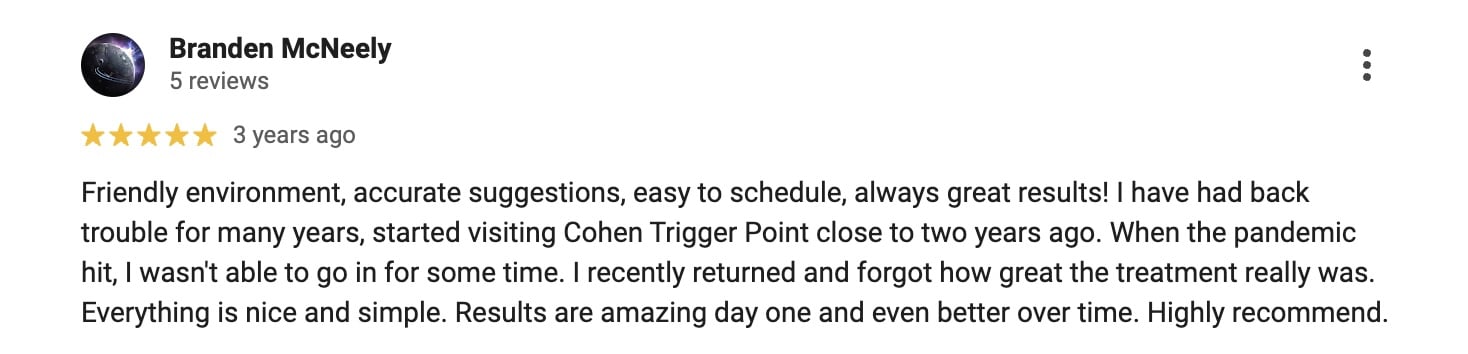
Get Started with Your Rehabilitation Today
Don’t let an injury or chronic pain hold you back. Our comprehensive rehabilitation services in Pittsburgh can help you move better, feel stronger, and prevent future injuries.
Take the first step toward recovery today! Book Your Appointment or call us at 412.681.4747 to get started.
Nutrition Counseling in Pittsburgh – Personalized Diet & Wellness Plans
Optimize Your Health with Expert Nutrition Counseling
At Cohen Trigger Point Therapy, Dr. Joshua Cohen provides personalized nutrition counseling to help patients achieve optimal health through strategic diet and lifestyle modifications. Whether you’re looking to reduce pain, improve energy levels, or manage inflammation, our evidence-based approach can help you make informed dietary choices for long-term wellness.
What is Nutrition Counseling?
Nutrition counseling is a science-based approach to diet and lifestyle changes that support pain reduction, increased activity levels, and improved overall health. Dr. Cohen carefully evaluates each patient’s diet, habits, and health concerns, then develops a customized nutrition plan to achieve their specific wellness goals.
Sorting through today’s overwhelming dietary information and misinformation can be challenging. Our expert guidance helps patients make the best choices for their unique needs, ensuring a diet that works for them—not against them.
Benefits of Nutrition Counseling:
✅ Reduces chronic pain & inflammation
✅ Supports joint & muscle health
✅ Boosts energy & overall vitality
✅ Aids in weight management
✅ Improves digestion & gut health
✅ Promotes longevity & disease prevention
✅ Enhances recovery from injuries & surgeries
Take control of your health through nutrition! Schedule a Nutrition Consultation today.
How Does Nutrition Counseling Work?
- Comprehensive Health Assessment – Dr. Cohen reviews your medical history, diet, and wellness goals.
- Personalized Nutrition Plan – A tailored dietary strategy is designed to fit your lifestyle and needs.
- Ongoing Guidance & Adjustments – We monitor progress and fine-tune your plan for optimal results.
- Long-Term Health Improvements – Sustainable habits lead to lasting benefits and improved quality of life.
Nutrition & Chronic Disease Management
Recent research has shown that nutrition is a natural and effective way to manage certain mild to moderate diseases, sometimes more effectively than traditional medicine. Our nutrition programs help patients manage conditions such as:
- Diabetes – Blood sugar stabilization through diet modifications.
- High Blood Pressure – Lowering BP naturally with heart-healthy nutrition.
- Thyroid Disorders – Supporting hormonal balance with targeted nutrients.
- Inflammatory Conditions – Reducing pain and stiffness through anti-inflammatory diets.
Why Choose Cohen Trigger Point Therapy for Nutrition Counseling?
Expert Guidance – Dr. Cohen provides science-backed nutrition recommendations tailored to your needs.
Comprehensive Approach – We integrate Chiropractic Care, Acupuncture, and Rehabilitation for total-body wellness.
Holistic & Natural Solutions – We focus on natural, food-based healing strategies rather than medication alone.
Personalized & Practical Plans – Every patient receives a customized approach based on their goals and lifestyle.
Complementary Services for Enhanced Results
For optimal health, nutrition counseling pairs well with:
- Trigger Point Therapy – Reduces muscle tension and enhances mobility.
- Cold Laser Therapy – Supports tissue repair and reduces inflammation.
- Rehabilitation Programs – Improves strength and movement efficiency.
Patient Success Stories

Get Started with Personalized Nutrition Counseling Today
If you’re looking to reduce pain, increase energy, or manage chronic conditions naturally, nutrition counseling with Dr. Cohen can help you achieve lasting wellness.
Take the first step toward better health today! Book a Consultation or call us at 412.681.4747 to get started.
Chiropractic Manipulation in Pittsburgh – Restore Mobility & Relieve Pain
Experience the Power of Chiropractic Adjustments
At Cohen Trigger Point Therapy, we specialize in Chiropractic Manipulation, also known as the Diversified Technique. This highly effective hands-on treatment helps restore joint mobility, relieve pain, and improve overall function. If you’re dealing with musculoskeletal pain or restricted movement, chiropractic adjustments can help you feel and move better.
What is Chiropractic Manipulation?
Chiropractic Manipulation is a targeted, hands-on technique used to treat joint restrictions and misalignments. This method involves a high-velocity, low-amplitude thrust to a joint that is not moving properly, helping to restore normal motion and reduce pain.
By realigning joints and improving mobility, chiropractic care can relieve tension, inflammation, and nerve irritation, promoting natural healing without drugs or surgery.
Conditions Chiropractic Manipulation Can Help With:
✅ Back & neck pain
✅ Headaches & migraines
✅ Sciatica & nerve pain
✅ Joint stiffness & mobility issues
✅ Sports injuries & postural imbalances
✅ Arthritis & degenerative joint conditions
✅ Repetitive strain injuries & muscle tension
Find lasting relief through expert chiropractic care! Schedule a Chiropractic Adjustment today.
How Does Chiropractic Manipulation Work?
- Comprehensive Evaluation – We assess joint function, range of motion, and pain points.
- Precise Adjustments – Using the Diversified Technique, we perform controlled thrusts to restricted joints.
- Immediate & Long-Term Relief – Many patients experience instant improvements in mobility and pain reduction.
- Ongoing Care & Prevention – We provide customized treatment plans to maintain joint health and prevent future issues.
Why Choose Cohen Trigger Point Therapy for Chiropractic Care?
Highly Skilled Adjustments – We use advanced Diversified Technique methods for precise and effective treatment.
Comprehensive Approach – We integrate Trigger Point Therapy, Acupuncture, and Rehabilitation for whole-body wellness.
Safe, Non-Invasive Pain Relief – No drugs, no surgery—just natural healing through expert chiropractic care.
Personalized Treatment Plans – We tailor adjustments to your specific needs and health goals.
Complementary Treatments for Enhanced Results
Chiropractic Manipulation works best when combined with other therapies, such as:
- Flexion Distraction Therapy – Gentle spinal decompression to relieve pressure.
- Cold Laser Therapy – Reduces inflammation and enhances tissue repair.
- Nutrition Counseling – Supports musculoskeletal health with proper nutrition.
Patient Success Stories
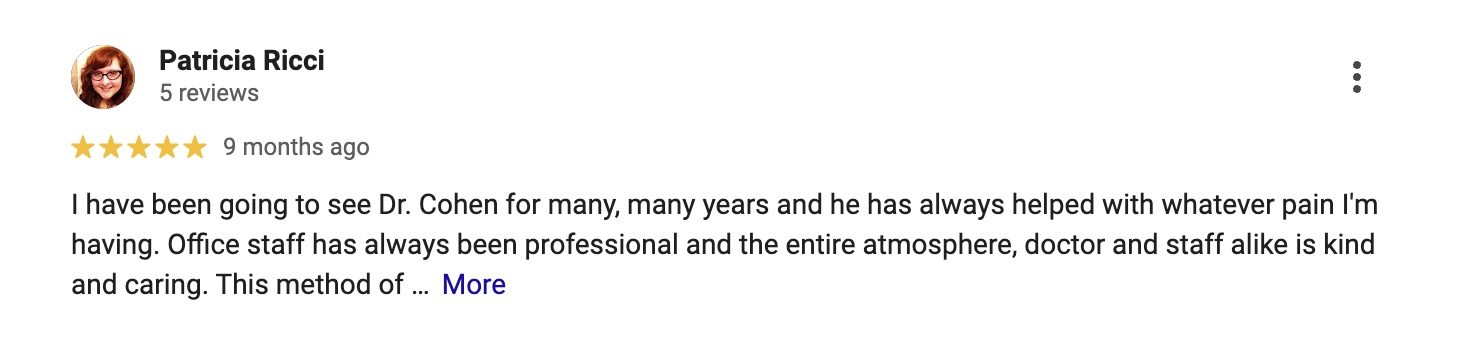
Get Started with Chiropractic Manipulation Today
If you’re struggling with joint pain, restricted movement, or chronic discomfort, Chiropractic Manipulation can help restore function and improve your quality of life.
Take the first step toward pain relief today! Book an Appointment or call us at 412.681.4747 to get started.
Flexion Distraction Therapy in Pittsburgh – Gentle Spinal Decompression & Pain Relief
Relieve Lower Back Pain with Flexion Distraction Therapy
At Cohen Trigger Point Therapy, we offer Flexion Distraction Therapy, also known as Traction Therapy, to provide gentle spinal decompression and targeted pain relief. This non-invasive chiropractic technique is designed to stretch and mobilize the lower back, reducing pressure on the discs, joints, and muscles.
What is Flexion Distraction Therapy?
Flexion Distraction is a safe and effective technique that utilizes a specialized chiropractic table equipped with a movable leg section. The table moves up and down and side to side, applying controlled traction to the lower back. This gentle motion stretches tight muscles, gaps spinal joints, and relieves pressure on bulging or herniated discs.
Conditions Flexion Distraction Therapy Can Help With:
✅ Bulging & herniated discs
✅ Sciatica & nerve pain
✅ Lower back & hip strain
✅ Degenerative disc disease
✅ Postural imbalances & stiffness
✅ Chronic lower back pain
✅ Sacroiliac (SI) joint dysfunction
Experience relief from lower back pain! Schedule a Flexion Distraction Session today.
How Does Flexion Distraction Therapy Work?
- Gentle Spinal Mobilization – The specialized table moves rhythmically, providing traction to targeted areas.
- Decompression of Spinal Discs – Pressure is relieved, allowing discs to rehydrate and heal.
- Muscle Relaxation & Pain Reduction – The movement helps release tight muscles and ligaments, improving flexibility.
- Improved Circulation & Healing – Increased blood flow promotes natural tissue repair and recovery.
Why Choose Cohen Trigger Point Therapy for Flexion Distraction?
State-of-the-Art Equipment – We utilize advanced chiropractic tables for precise traction control.
Comprehensive Pain Relief Approach – We integrate Chiropractic Manipulation, Acupuncture, and Rehabilitation for maximum effectiveness.
Gentle & Non-Invasive Treatment – No medications or surgery—just natural pain relief.
Personalized Care – Every session is customized to your specific condition and recovery goals.
Complementary Treatments for Enhanced Recovery
Flexion Distraction Therapy is most effective when combined with:
- Cold Laser Therapy – Accelerates healing and reduces inflammation.
- Trigger Point Therapy – Releases deep-seated muscle tension.
- Nutrition Counseling – Supports spinal health with anti-inflammatory dietary guidance.
Patient Success Stories
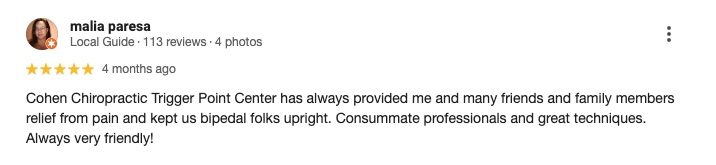
Get Started with Flexion Distraction Therapy Today
If you’re dealing with lower back pain, disc issues, or sciatica, Flexion Distraction Therapy offers a safe and effective solution.
Take the first step toward pain relief today! Book an Appointment or call us at 412.681.4747 to get started.
